21 Creative DIY Clothes Ideas to Upcycle and Personalize Your Wardrobe
DIY clothes let you turn basic pieces, thrift finds, and unused textiles into garments that match your style. These 21 clothing projects give you practical ways to paint, stitch, reshape, dye, and reuse what you already own.
21 Creative DIY Clothes Ideas to Upcycle and Personalize Your Wardrobe
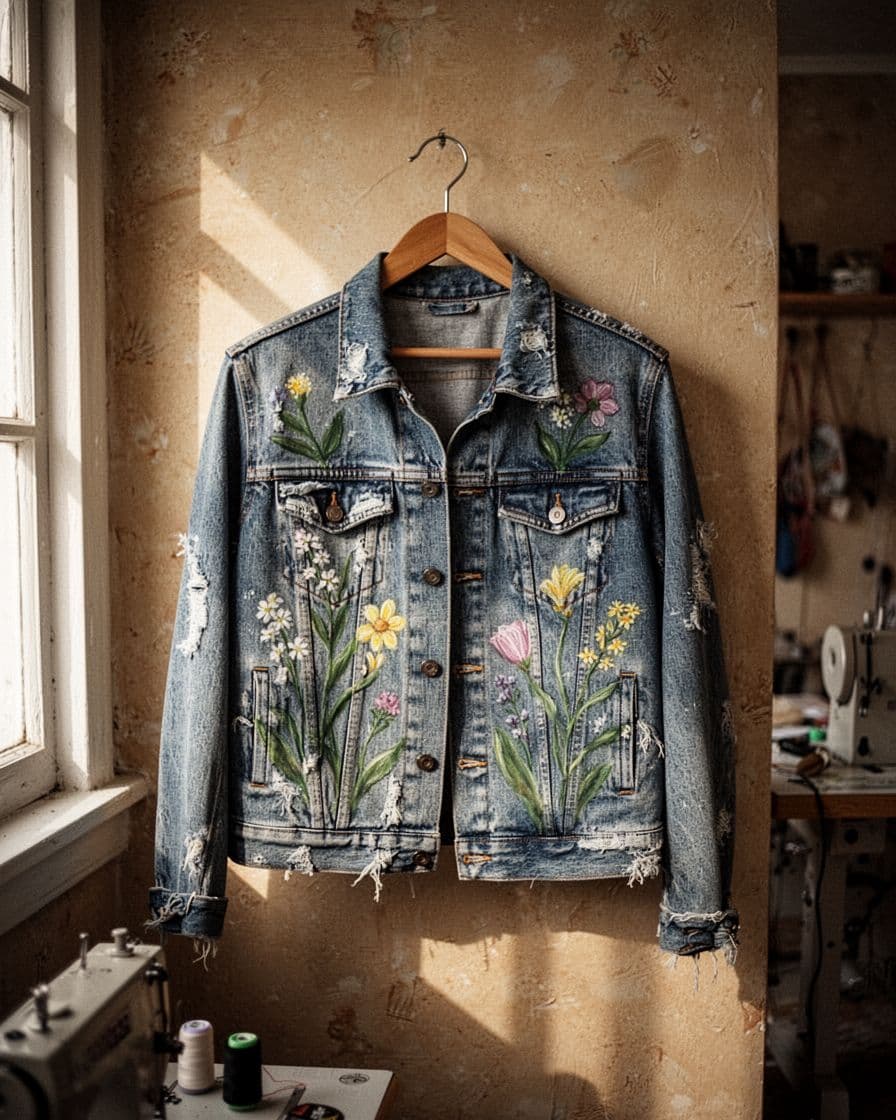
1. Hand-Painted Denim Jacket
Give an old denim jacket a new personality with hand-painted flowers, leaves, stars, or abstract shapes. You can place the artwork across the back for a bold focal point or keep it small near the pocket for a quieter detail.
Use fabric paint made for denim, then place cardboard inside the jacket before painting. Let each color dry before adding another layer, and follow the paint maker’s heat-setting directions so the design holds up during washing.
2. Patchwork Button-Up Shirt
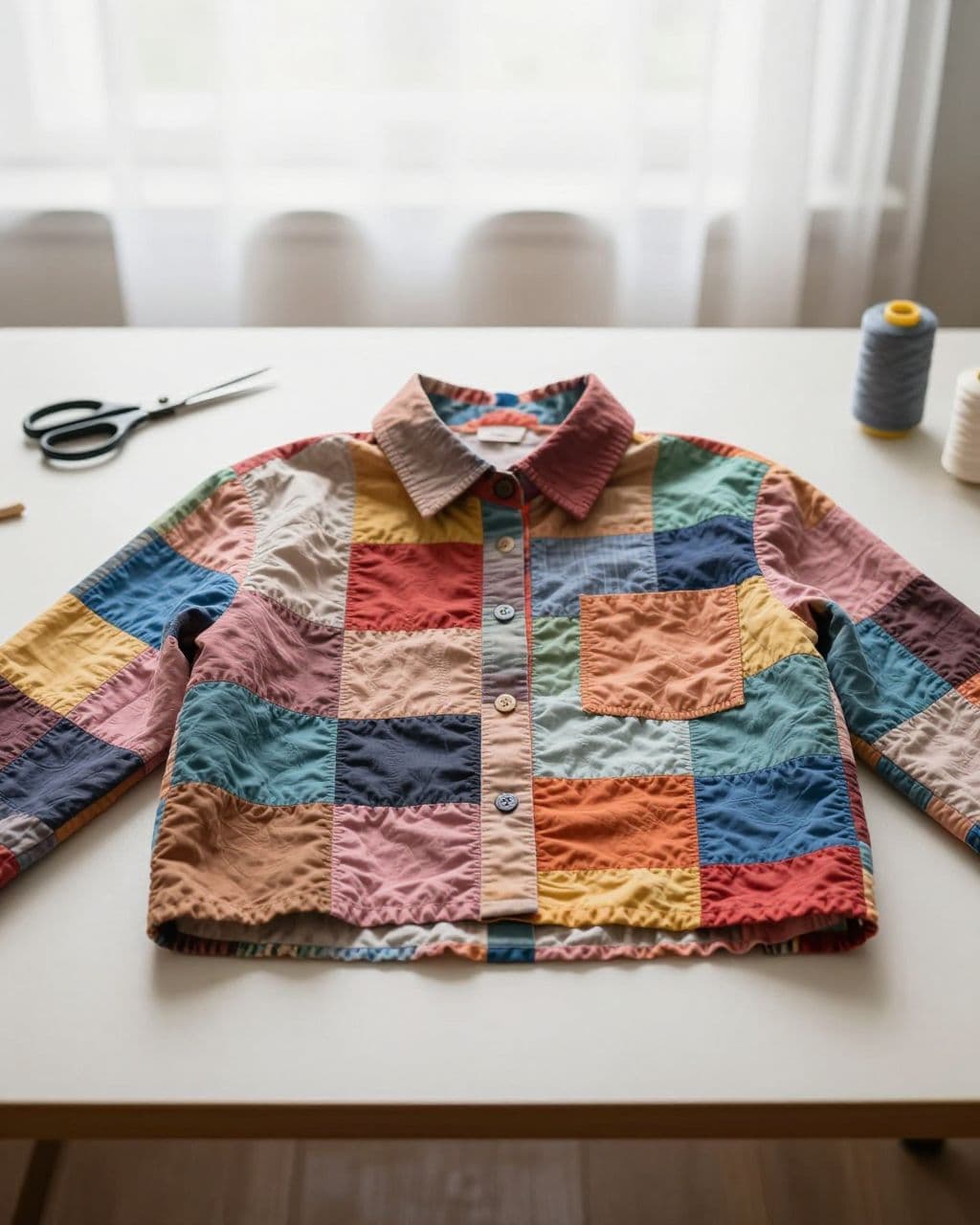
Turn cotton scraps, worn shirts, or leftover quilting fabric into a cropped patchwork button-up. Matching the fabrics by weight will help the shirt hang well, while contrasting colors will give the finished piece a playful look.
Start with a loose shirt pattern or use an oversized button-up as your template. Before you cut, learn how to upcycle clothes from your closet or a thrift store so you can choose pieces with enough usable fabric.
3. Bleach-Patterned T-Shirt
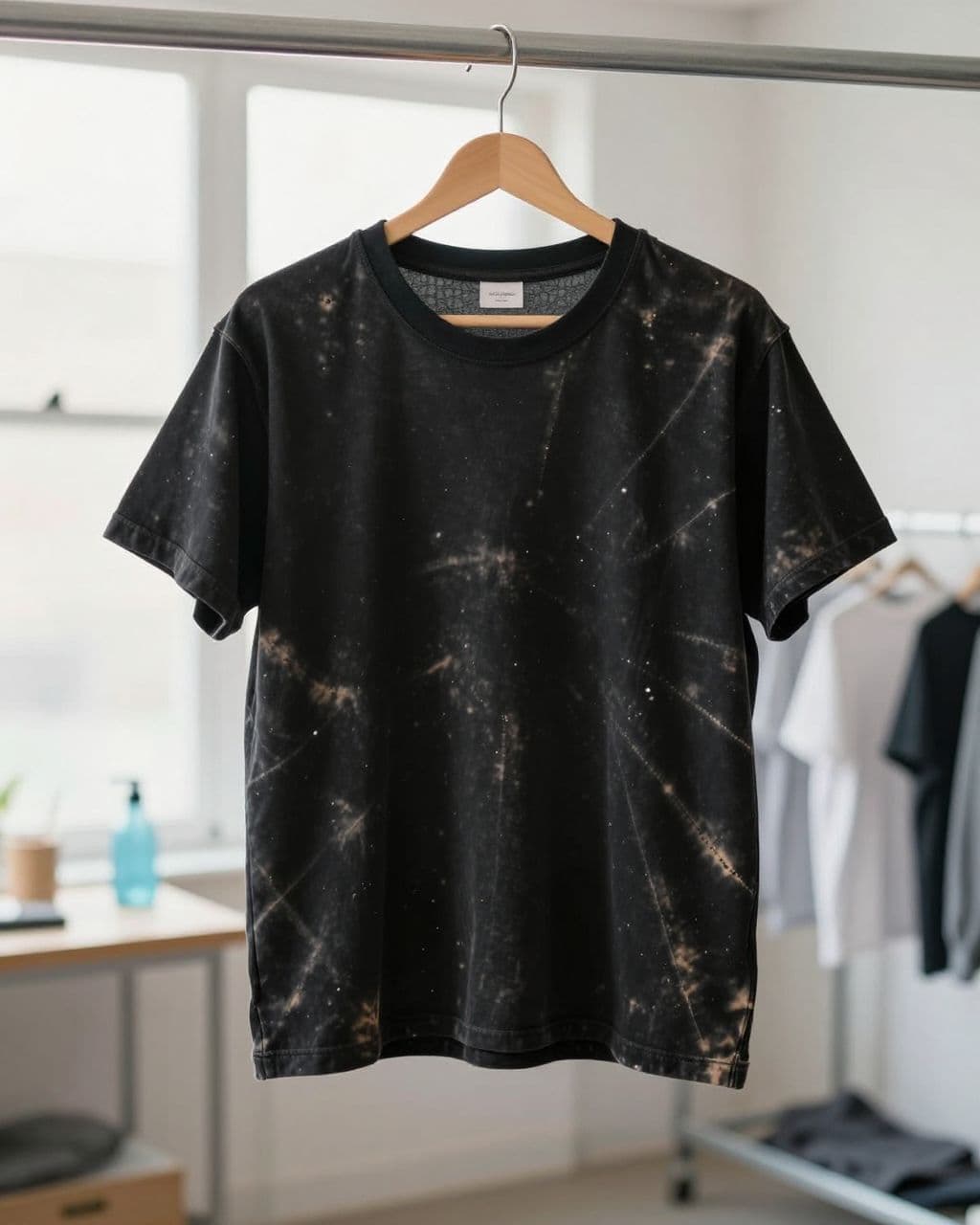
Create a sunburst design on a black cotton t-shirt with a small amount of bleach and a controlled application method. The pale orange or tan marks create contrast without adding another piece of fabric.
Protect your work area, wear gloves, and keep bleach away from your skin and eyes. Put cardboard inside the shirt, test your pattern on a scrap first, and rinse the shirt as soon as the design reaches the color you want.
4. Fabric-Flower Linen Skirt
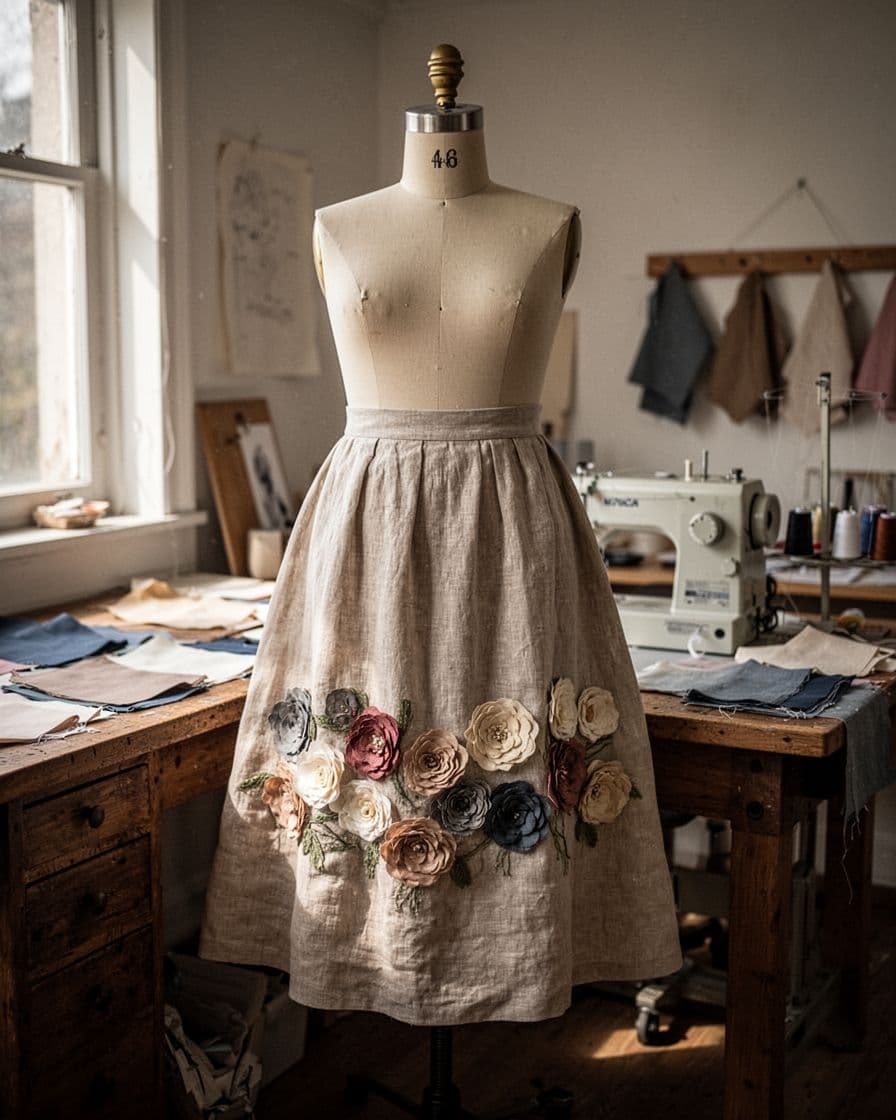
Add hand-sewn fabric flowers to the hem of a linen skirt for a soft, handmade finish. You can cut the flowers from worn cotton shirts, old pillowcases, or small scraps that feel too useful to discard.
Keep the flowers flat enough to sit under a coat or jacket without catching on nearby fabric. Secure each center with a few strong stitches, and wash the skirt according to the original care label before you begin cutting or sewing.
5. Embroidered Sweatshirt
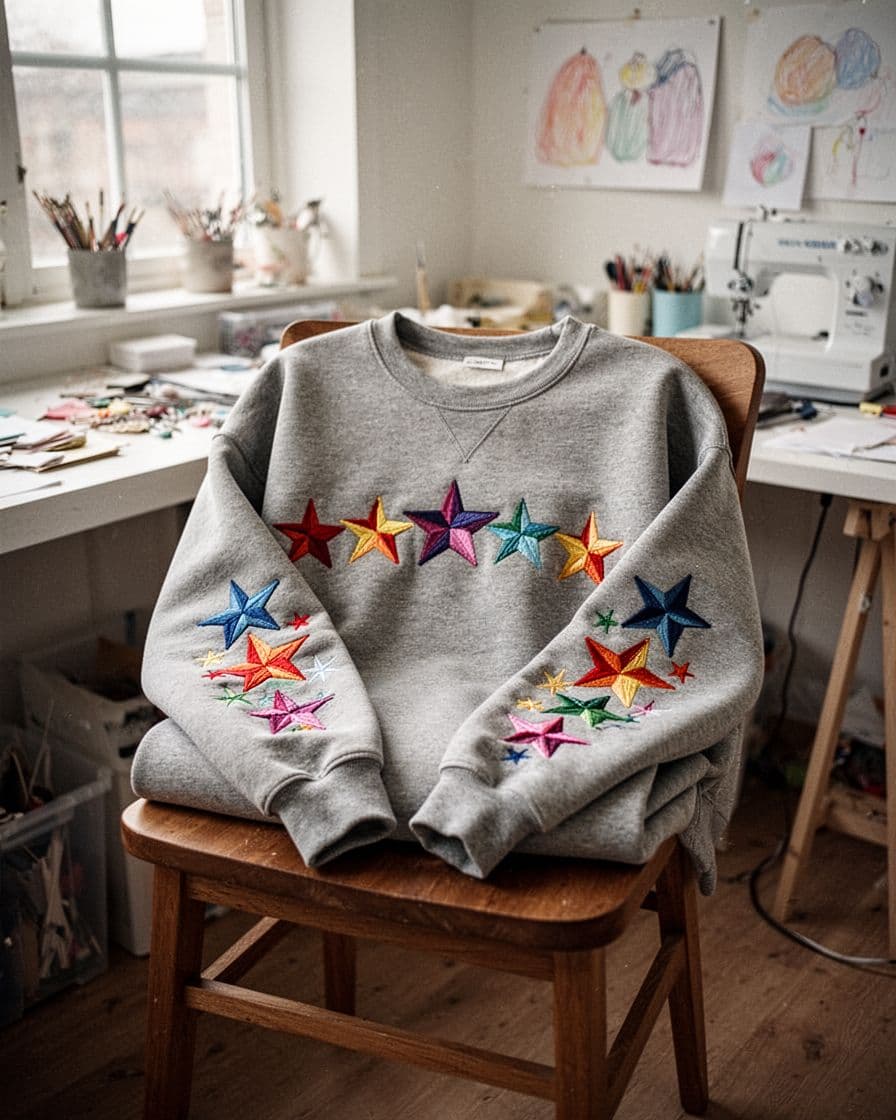
Bright embroidered stars can turn a plain gray sweatshirt into a piece that feels personal and cheerful. You can repeat one small shape across the chest or place a larger group across one shoulder and sleeve.
Use an embroidery hoop only if the fabric stretches without pulling, and avoid placing dense stitches over thick seams. A washable embroidery thread gives you more freedom for everyday wear, especially when you follow the garment’s original washing instructions.
6. Lace-Trimmed Blouse
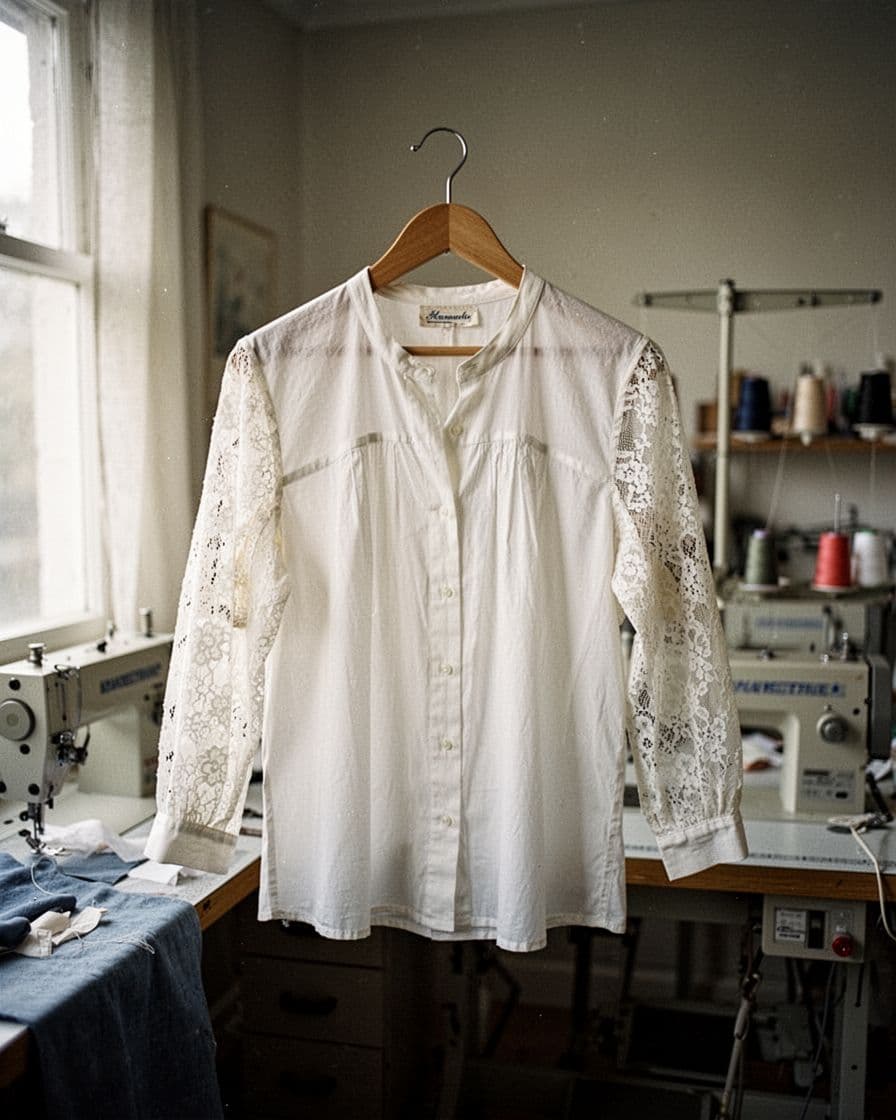
Refresh a vintage white blouse by adding lace panels to the sleeves or along the upper back. The lace changes the texture while the cotton base keeps the piece wearable with jeans, trousers, or a simple skirt.
Choose lace with a similar care level to the blouse so the two materials don’t shrink at different rates. Pin the trim in place, try the blouse on before sewing, and leave enough room for normal arm movement.
7. Curtain-Fabric Wide-Leg Pants
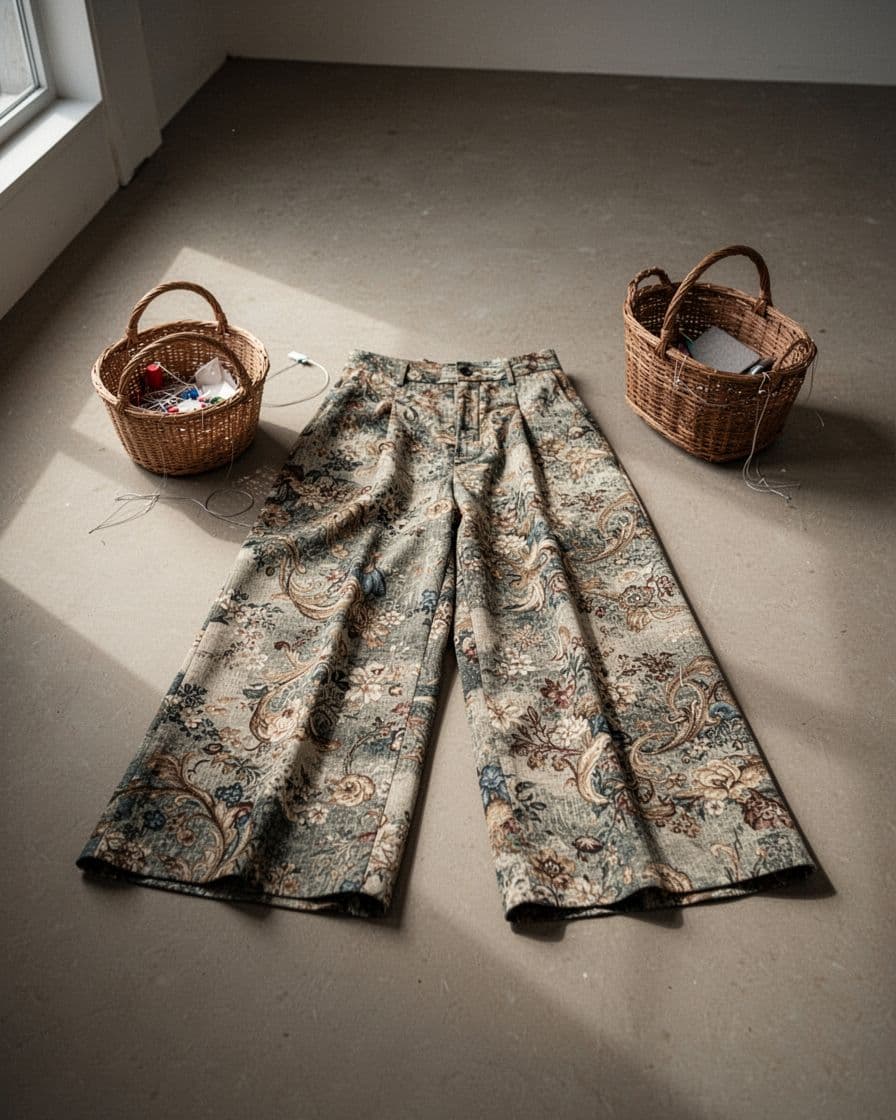
Patterned curtains can provide enough fabric for wide-leg pants with a strong vintage feel. Look for cotton, linen, or a cotton blend with a comfortable drape, and inspect the fabric for sun damage before you cut.
Wash and dry the curtain using the safest method for its fiber content, then press it flat. You can use a pair of pants that already fits you as a guide, but add extra fabric at the seams if you need room for adjustments.
8. Crochet-Trimmed Denim Skirt
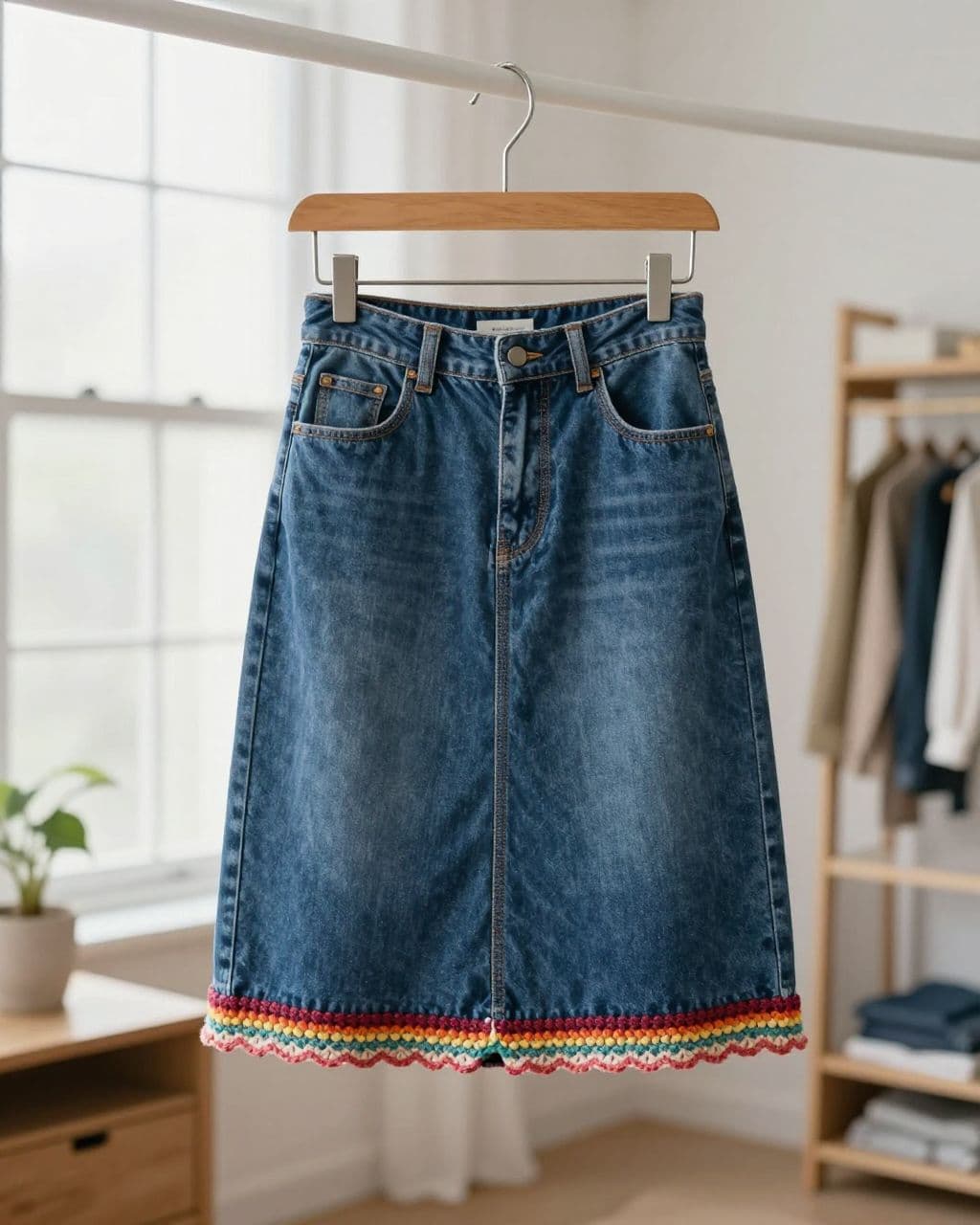
Sew colorful crochet trim around the bottom of a denim skirt for a quick texture change. The trim works well with a straight or A-line skirt because the firm denim gives the soft crochet a clear edge.
Measure the full hem before you buy or make the trim. Use a denim needle and strong thread, then stitch slowly around the skirt so the crochet stays even and doesn’t pull the hem out of shape.
9. Beaded Cardigan
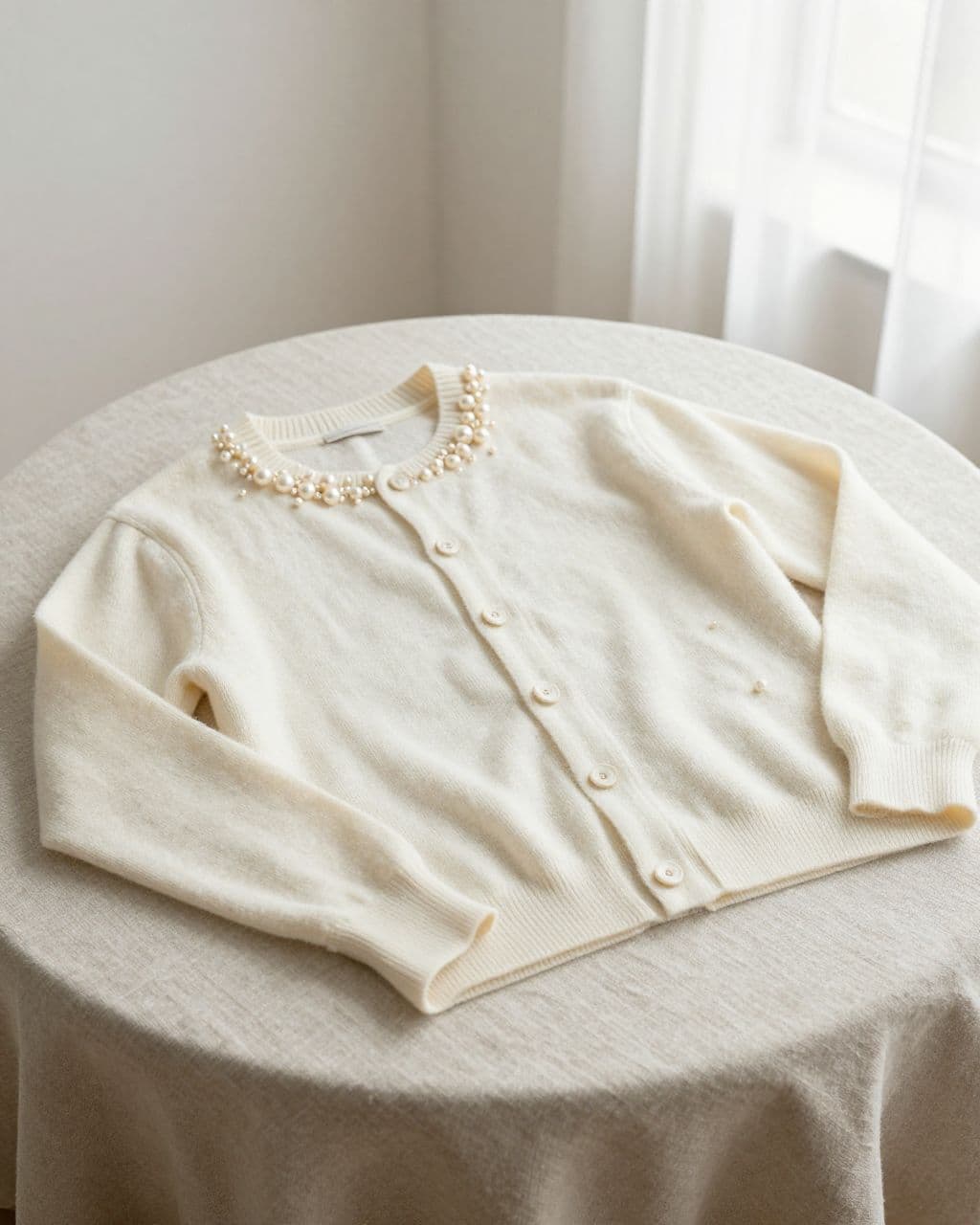
Small pearl and bead clusters can give a plain cream cardigan a refined focal point around the collar. You can keep the design symmetrical or place a few scattered clusters near one shoulder for a less formal look.
Choose lightweight beads so they don’t stretch the knit. Sew each cluster to the cardigan with doubled thread, and reinforce the back of the knit with small stitches that spread the weight across several loops.
10. Tie-Dye Hoodie
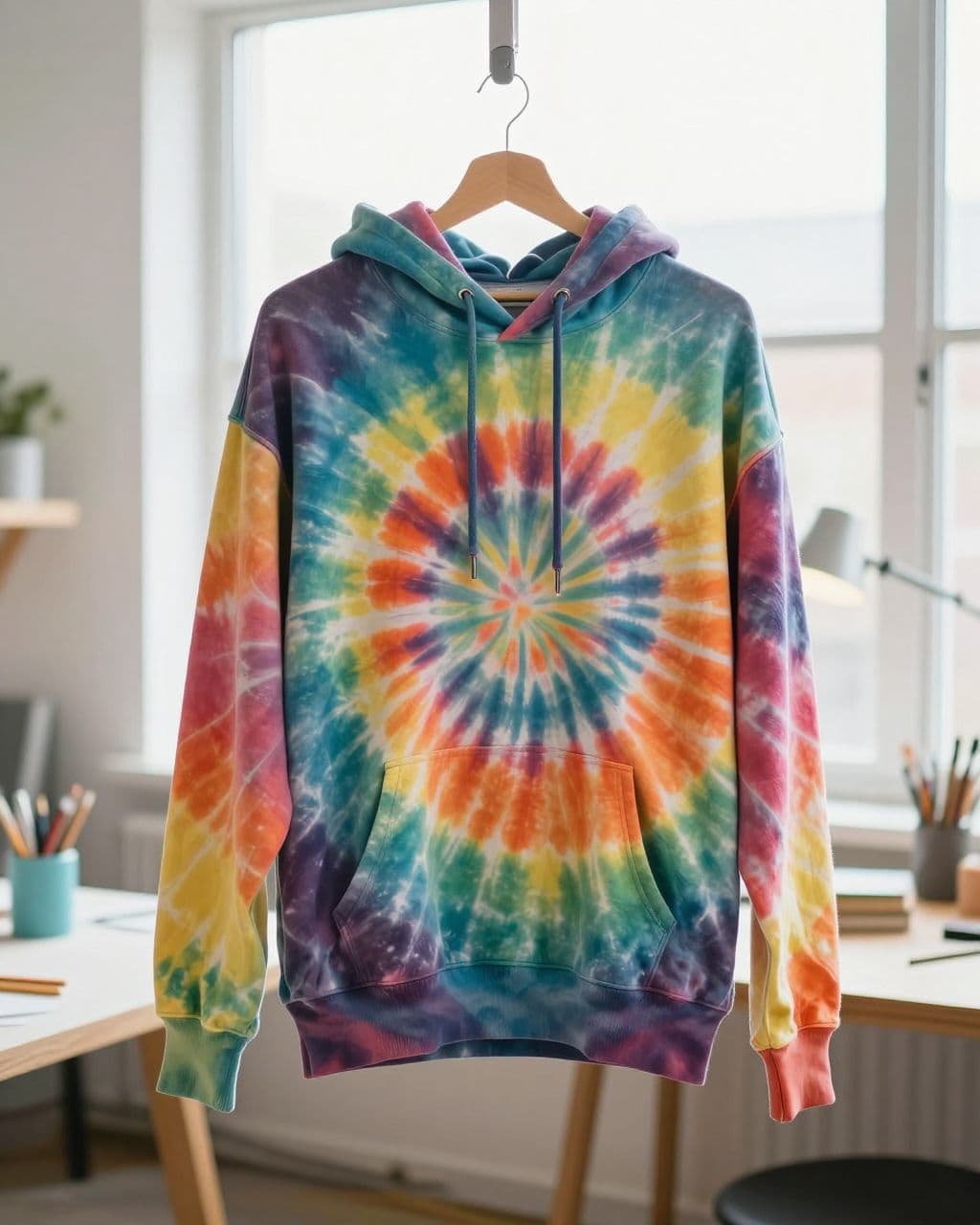
A soft spiral tie-dye pattern can turn a plain hoodie into a colorful weekend layer. Sunset shades work well on light cotton, while darker dyes create a richer result on pale gray fabric.
Wash the hoodie without fabric softener before dyeing so the color can reach the fibers. Wear gloves, protect your work surface, and rinse the hoodie until the water runs mostly clear before the first separate wash.
11. Mesh-Panel Slip Dress
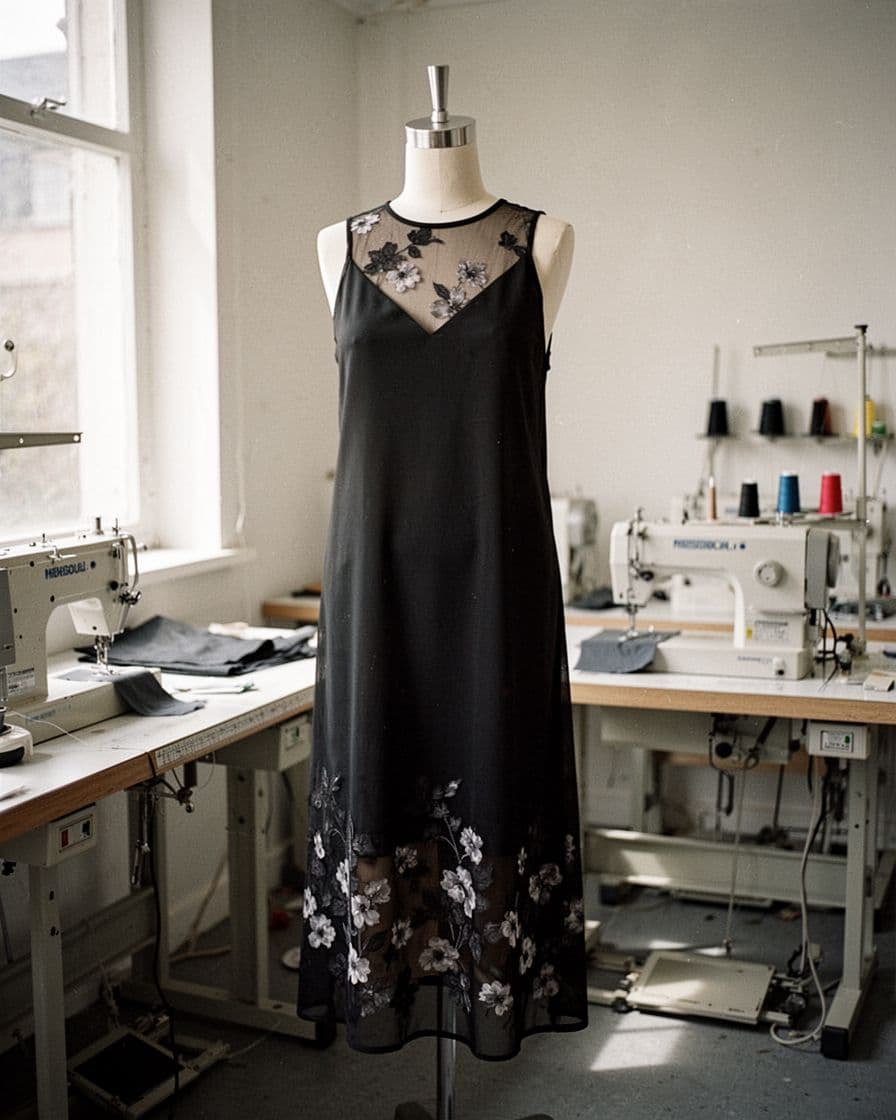
Add sheer floral mesh to the neckline or hem of a black slip dress for a dramatic alteration. The dark base keeps the added pattern grounded, while the transparent panel changes the shape and movement of the garment.
Measure the panel area while you wear the dress or place it on a dress form. Use a narrow zigzag stitch for stretch mesh, and finish the raw edges with fold-over elastic or a clean narrow hem.
12. Embroidered Patch Jacket
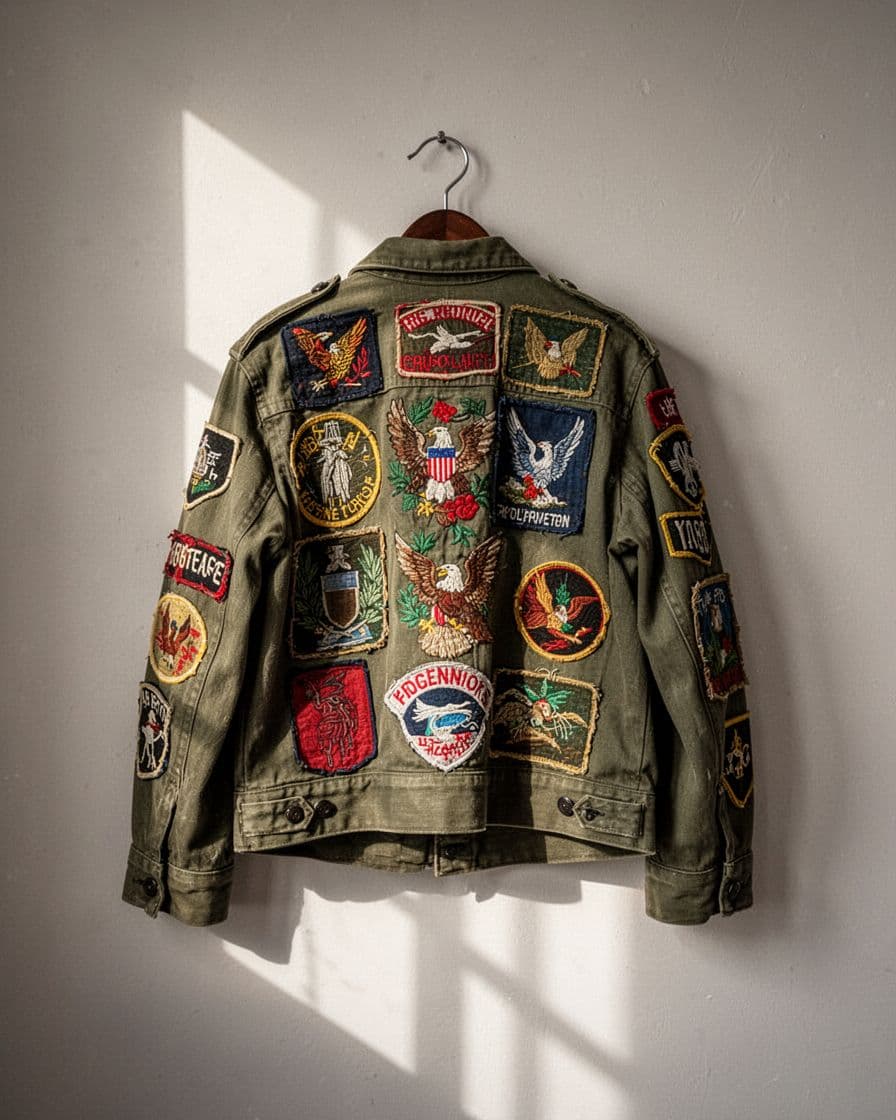
Personalize a vintage military-style jacket with embroidered patches on the back, sleeves, or chest. You can combine patches with different shapes and textures, but leave open space so the jacket still looks balanced.
Pin every patch before you sew or iron it into place. If the jacket has a slippery lining, check the inside before stitching so your needle doesn’t catch extra layers or create uncomfortable bumps.
13. Refitted Cotton Jumpsuit
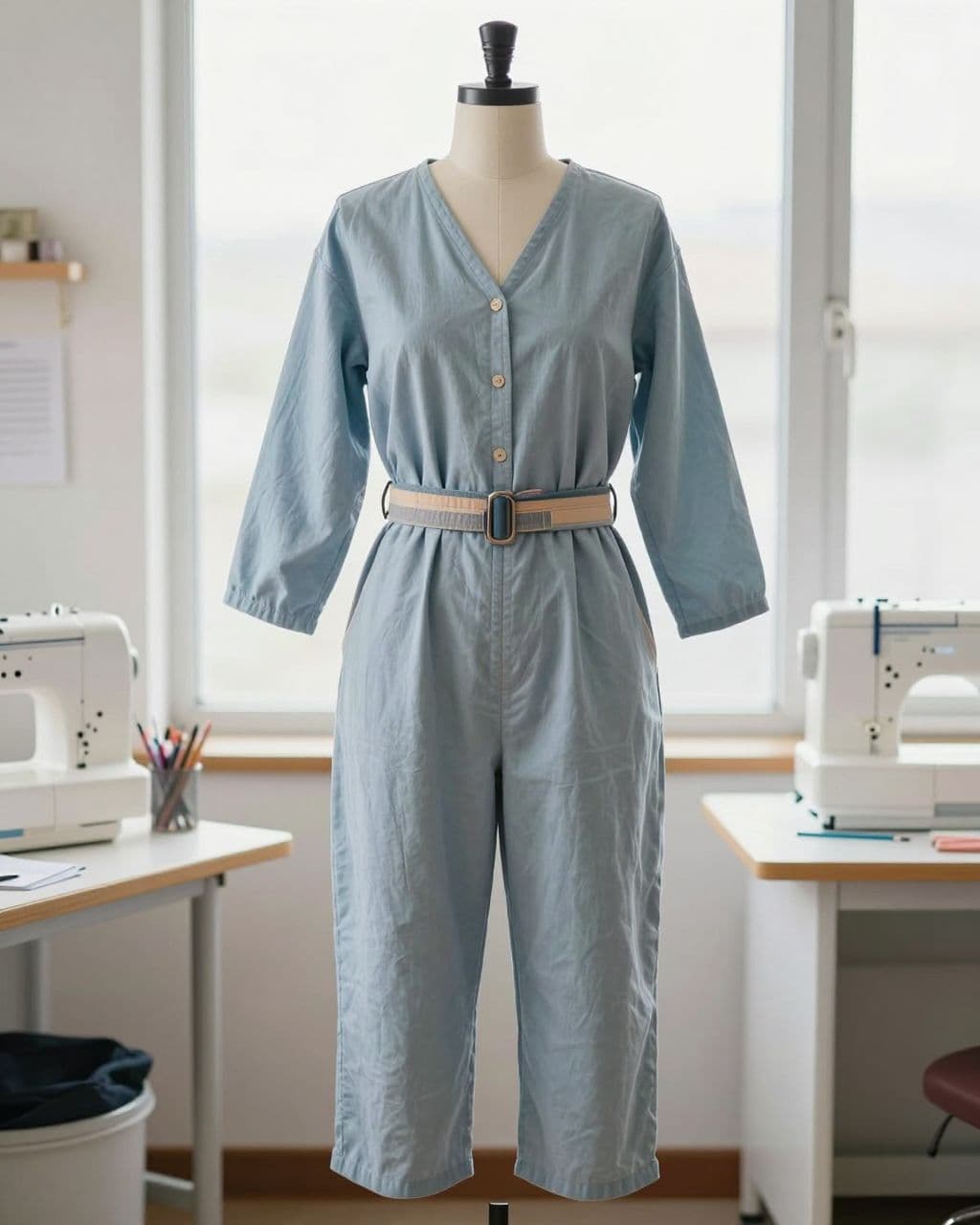
A loose cotton jumpsuit can take on a new shape with waist darts and a contrasting fabric belt. These changes bring definition to the waist without requiring a complete remake.
Try the jumpsuit on inside out and mark the fit with safety pins instead of straight pins. Remove only small amounts of fabric at first, then test sitting, walking, and reaching before you sew the final seams.
14. Ribbon-Woven Tank Top
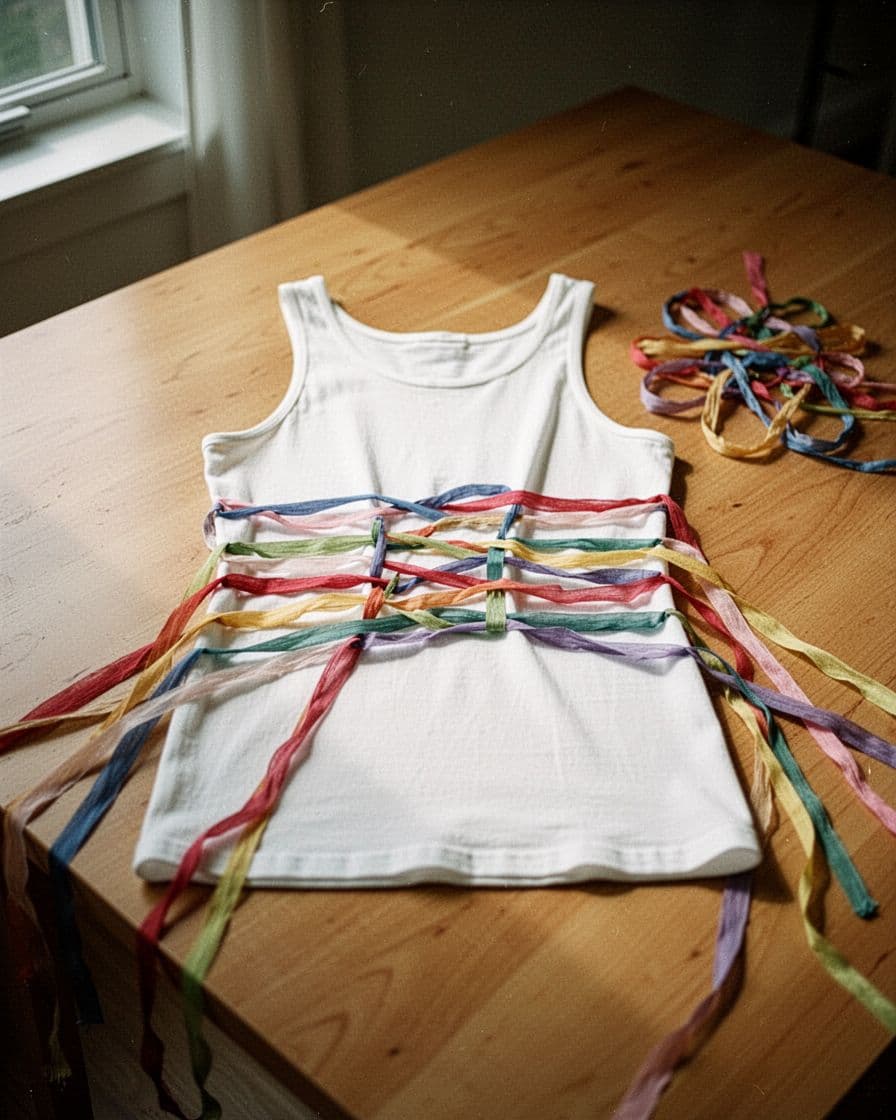
Create a ribbon-woven back on a plain white tank top for a low-cost warm-weather update. Bright ribbon adds color, while the open pattern gives the tank a lighter look without changing its front.
Mark evenly spaced lines before you cut the back fabric, and keep the cuts away from the side seams. Weave the ribbon through the openings, then secure the ends inside the shirt with small stitches so they don’t slip during wear.
15. Patched Corduroy Blazer
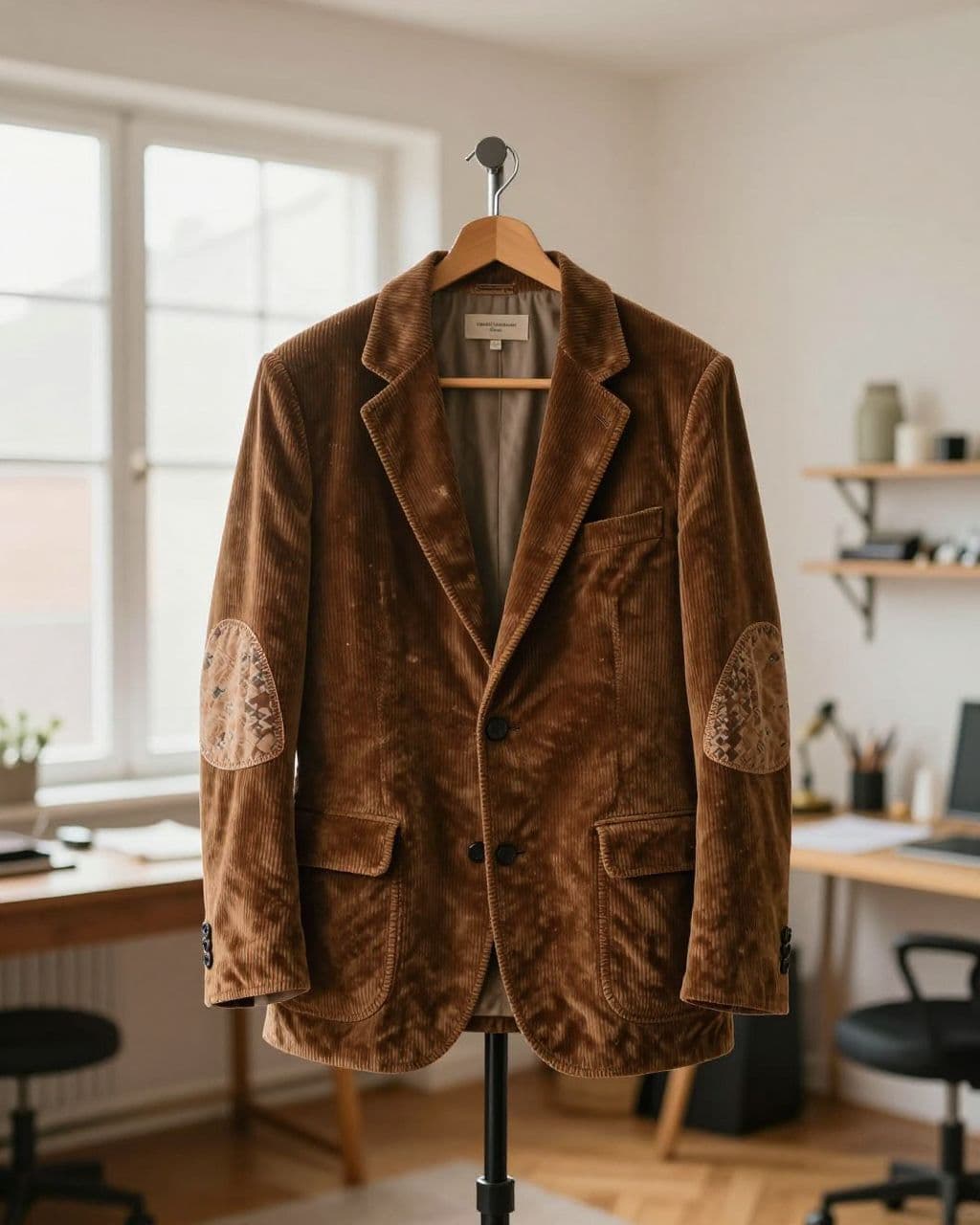
Patterned elbow patches can repair worn corduroy while giving the blazer a more relaxed, personal style. Choose cotton with a small print, wool for extra warmth, or denim for a stronger contrast.
Trace an existing elbow patch or cut a rounded rectangle that covers the worn area. Place the jacket on a flat surface, pin both patches at the same height, and sew around the edges with a strong thread.
16. Repurposed Bedsheet Dress
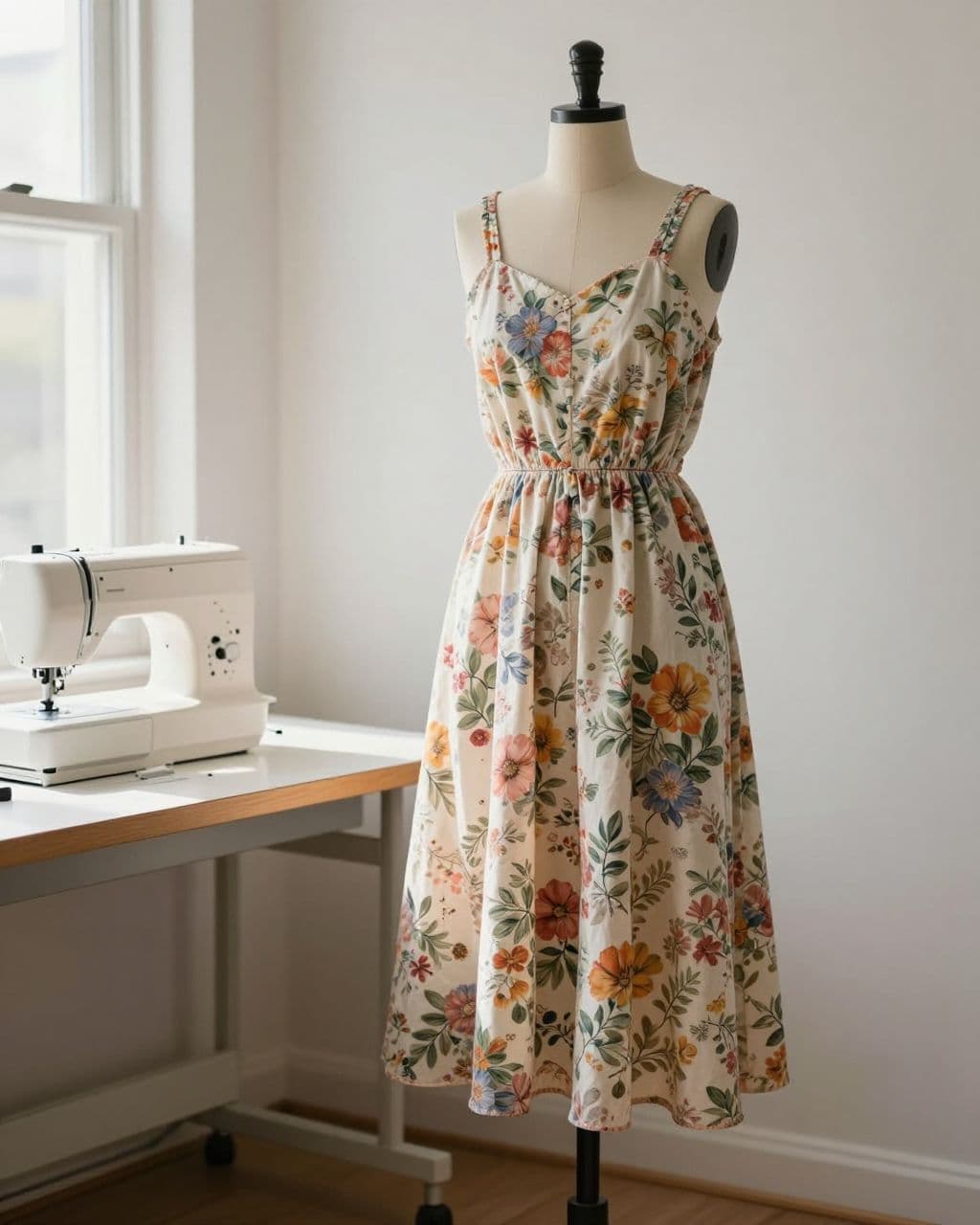
A floral bedsheet can become a flowing midi dress when you choose a pattern with simple panels and a comfortable fit. The large fabric surface gives you more room to match the print across the bodice and skirt.
Check the sheet for thin spots, stains, and faded areas before cutting. A cotton sheet often works well for a summer dress, but you should wash it first and test how it responds to heat and pressing.
17. Appliqued Sweatshirt
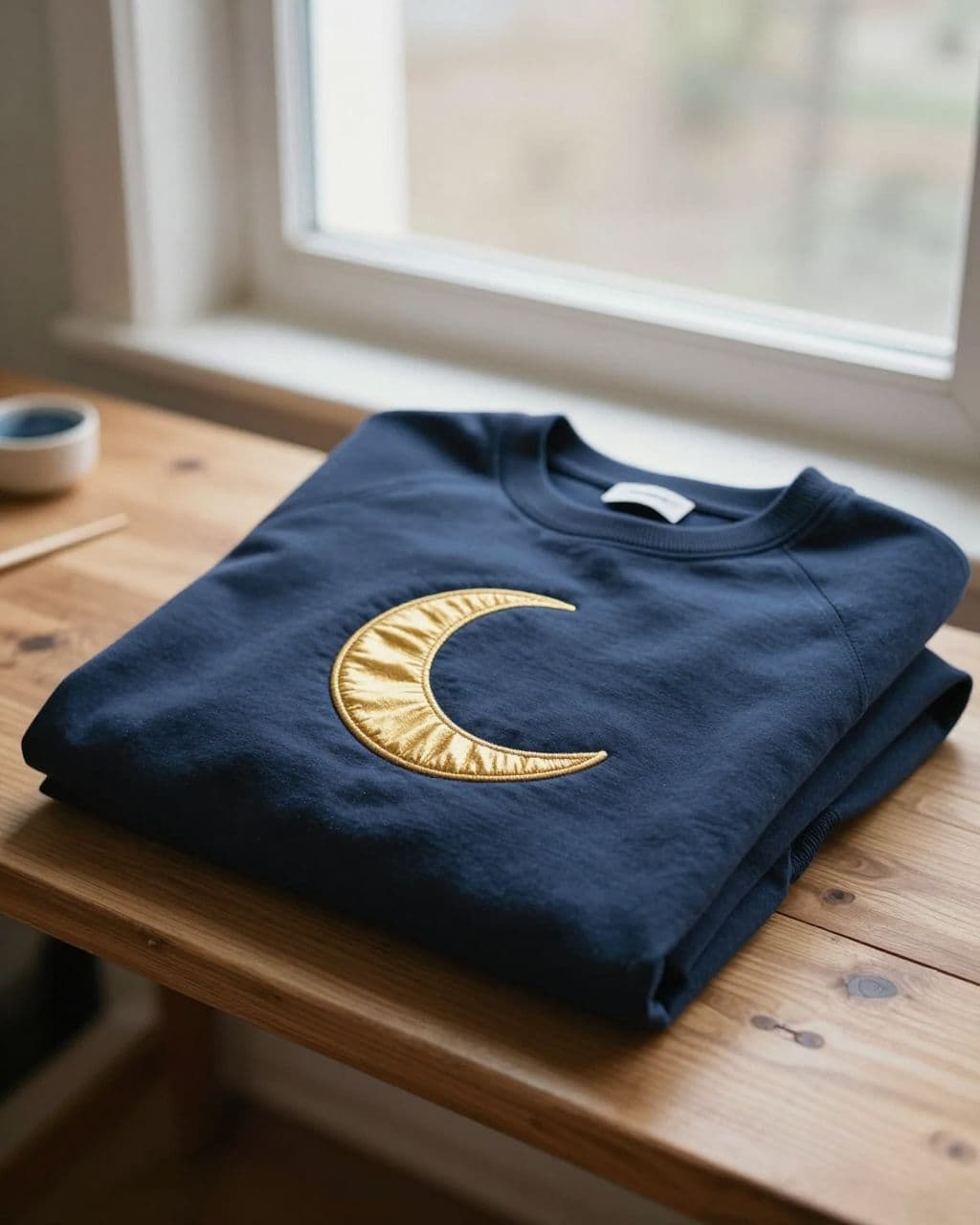
A gold fabric crescent can turn a navy sweatshirt into a wearable night-sky design. You can make the shape from metallic cotton, satin, felt, or a scrap of an old garment with a firm weave.
Cut a paper template first so both sides of the crescent look even. Fuse the fabric to the sweatshirt with an appropriate fabric adhesive, then sew around the edge if the material needs extra support.
18. Floral-Insert Jeans
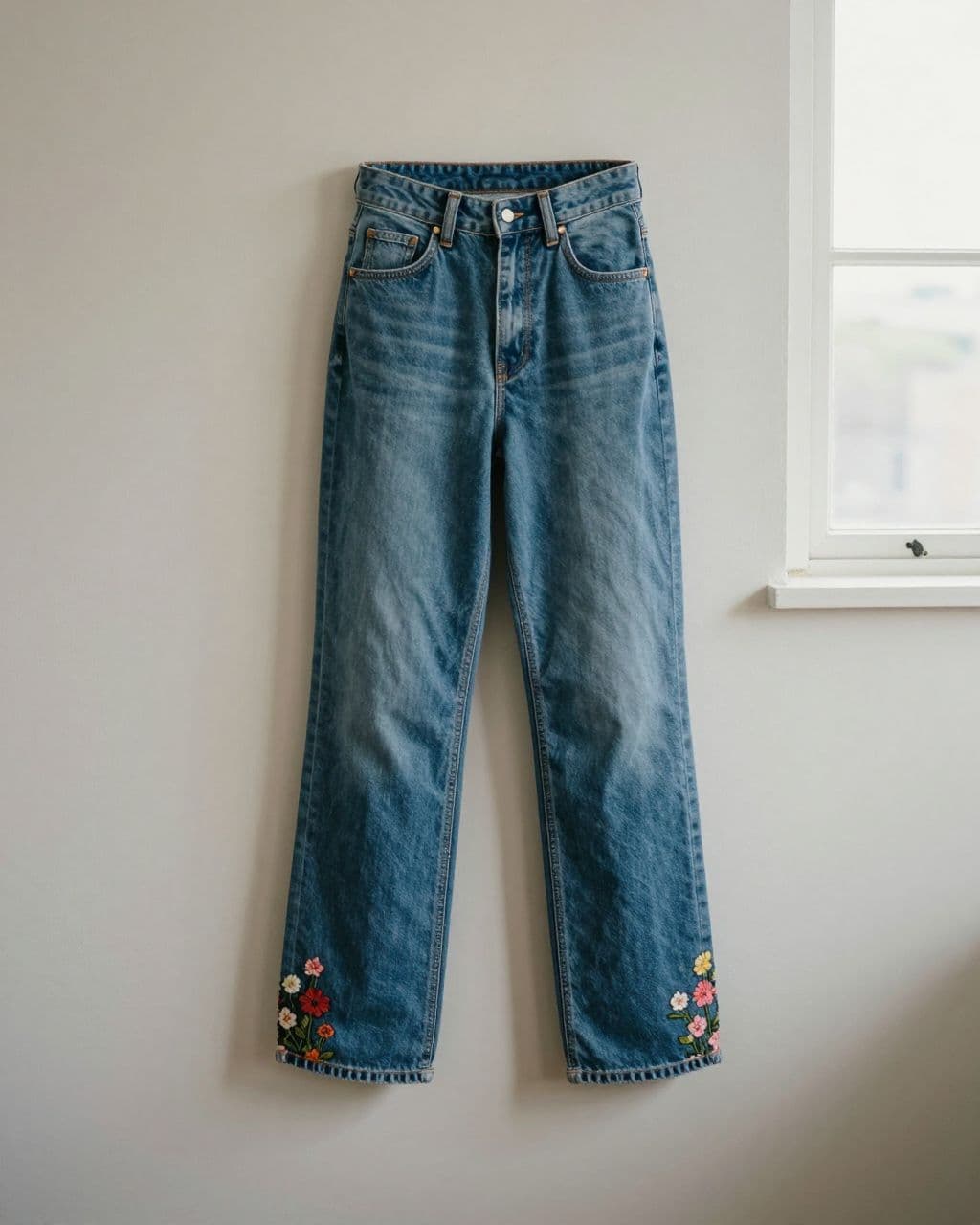
Small floral fabric inserts at the outer ankles give high-waisted jeans a subtle custom detail. This alteration works well when you want more room at the hem or want to add a print without changing the whole pair.
Cut along the outer ankle seam and insert a fabric triangle or narrow panel. Use matching thread for a quiet finish, or choose a contrasting color if you want the stitching to become part of the design.
19. Knitted Sweater Vest
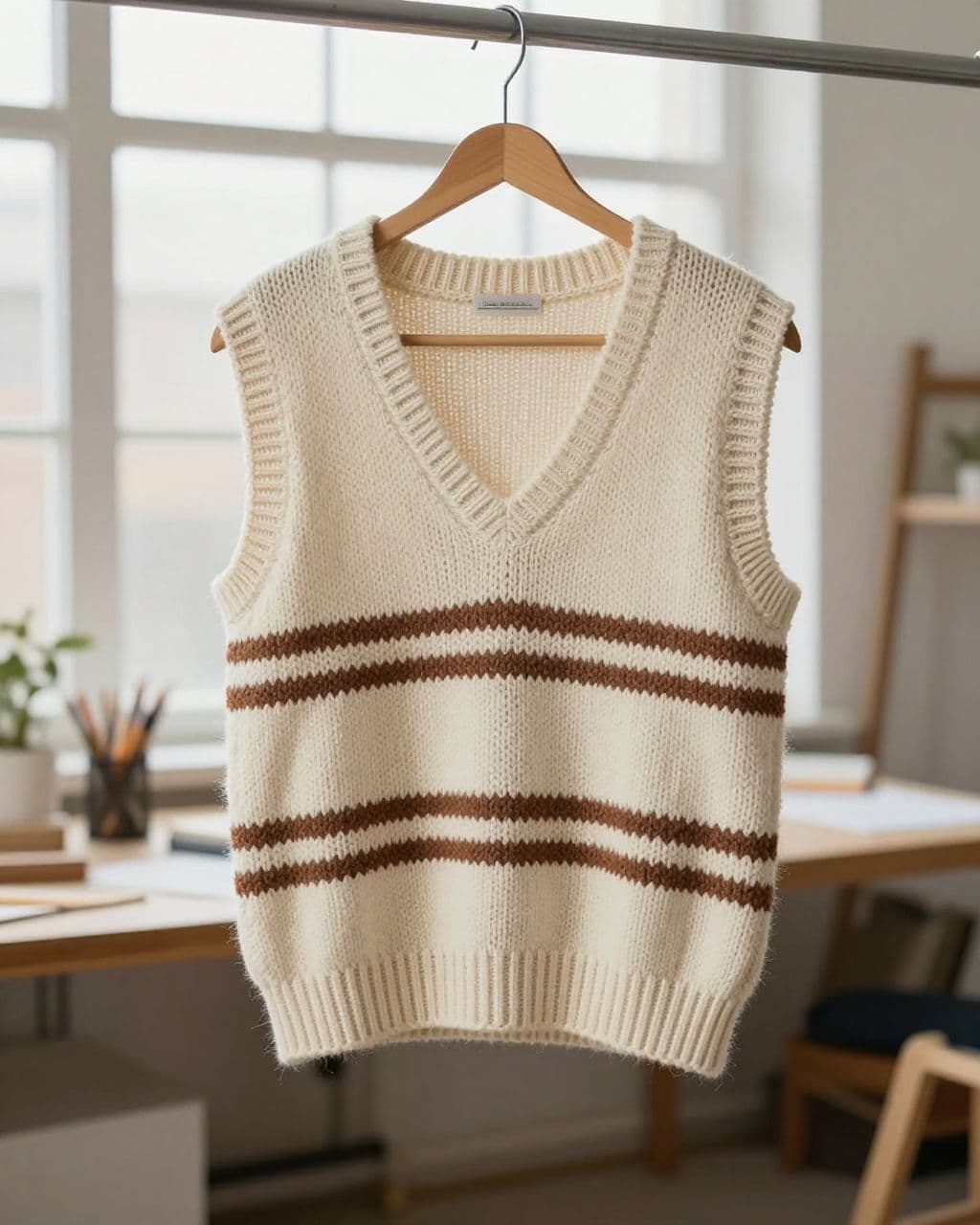
A cream knitted sweater vest with brown geometric stripes adds texture to a simple outfit without the weight of a full sweater. You can knit one from a pattern or reuse yarn from an older project for a more personal color mix.
Check your gauge before you start because the stitch size controls the vest’s final measurements. Choose yarn with a similar care requirement throughout, and block the finished piece so the armholes and side seams settle into shape.
20. Reshaped Vintage Dress
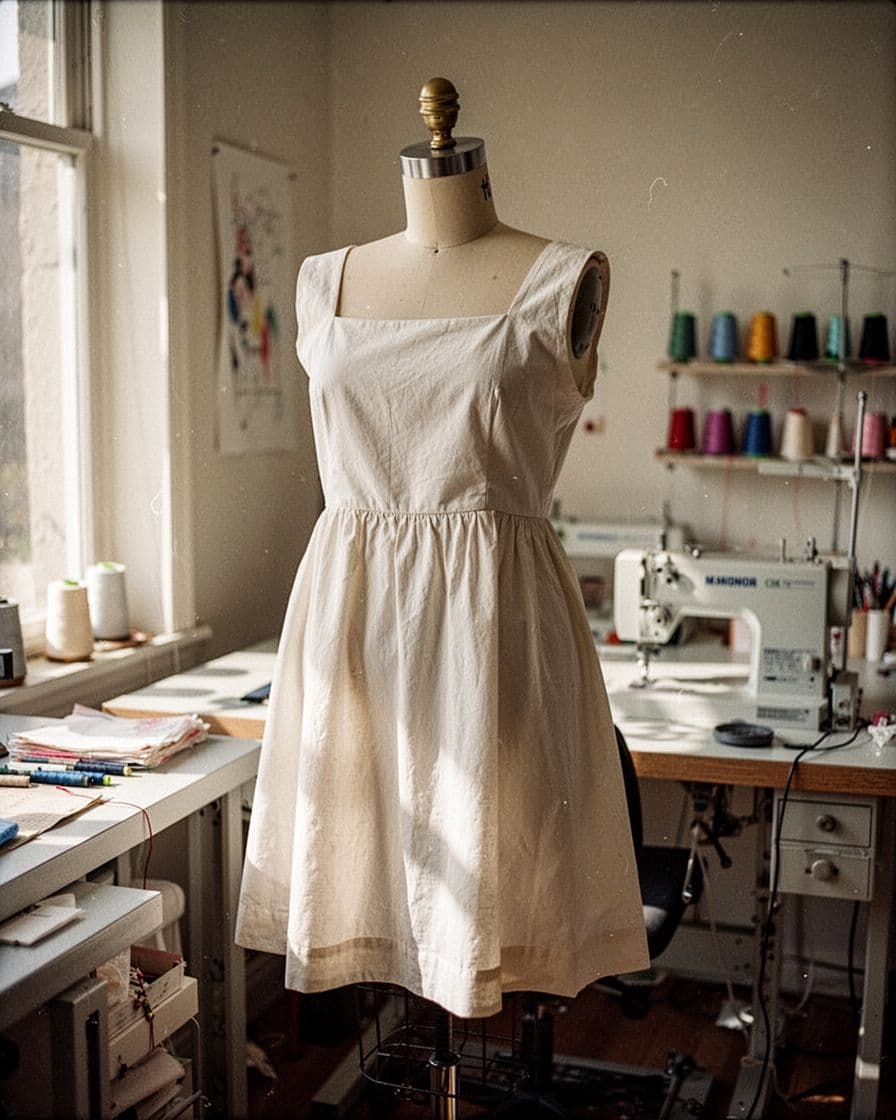
A vintage cotton dress can feel current after you reshape the neckline and shorten the hem. A square neckline gives the bodice a clean frame, while a shorter length changes the proportion without losing the original fabric.
Try the dress on before you cut the hem, and mark the new length with several pins around the body. Keep the original hem if it has a special finish, or create a narrow double-fold hem with a press cloth.
21. Reversible Quilted Vest
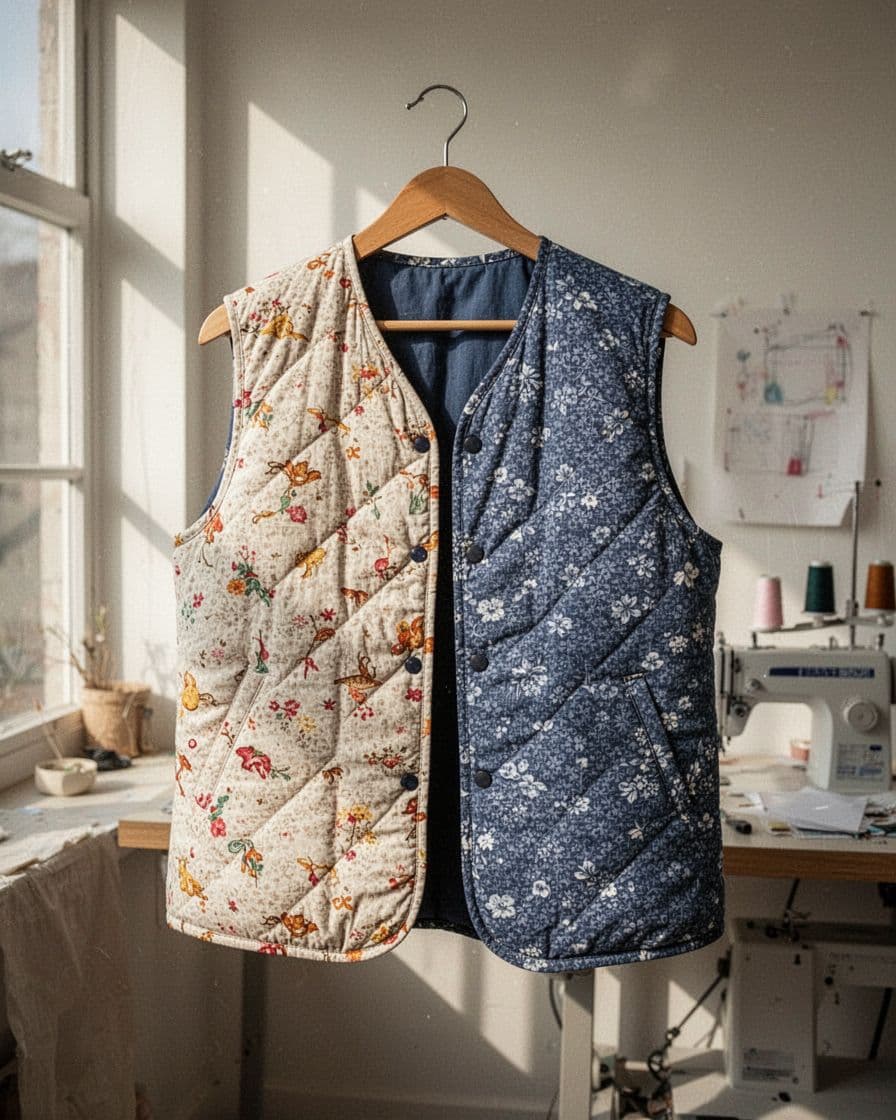
A reversible quilted vest lets you use two cotton prints in one garment. It also gives you a practical way to combine fabric scraps that look unrelated until you place them side by side.
Choose fabrics with similar weight and prewash them before cutting. Add light batting for warmth, then stitch the layers in a simple grid so the vest keeps its shape without becoming stiff.
How to Make DIY Clothes Last
Before you cut, dye, or sew a garment, read its care label and record the fiber content. The FTC’s clothing care-label guidance explains that care instructions should have a reasonable basis and should prevent substantial harm when you follow them.
That step matters when you mix old garments with new fabric. Different fibers can shrink, fade, or react to heat at different rates, so wash and test each material before you combine it with another piece.
Repair and reuse also keep clothing in circulation longer. Research on extending clothing life through repair and reuse connects these habits with lower environmental impacts, while the EPA reported 17 million tons of textile generation in the United States in 2018.
Choose one project that matches the clothes and materials you already have. Save the image, gather the supplies, and start with a small alteration before moving on to a full garment remake.