Party Planning 101: Everything You Need to Know to Host a Memorable Event
Planning a party sounds exciting until you realize there are 50 things to organize at once. The invites, the food, the venue, the timing. Suddenly it feels less like fun and more like a second job.
But here’s the truth: the hosts who make it look effortless are not naturally gifted. They just follow a system.
This guide gives you that system. Whether you are throwing a birthday bash for 60 people or a casual dinner for 10, these steps will keep you organized, on budget, and actually enjoying the process.
Start With the Big Three: Date, Budget, and Guest Count
Before you pick a theme or scroll Pinterest for decoration ideas, you need three locked-in answers.
When is the party? Pick a date at least 4 to 6 weeks out for a mid-sized event. If you are planning something with 50+ guests, a venue, or catering, give yourself 8 to 12 weeks minimum. Weekends fill up fast. Lock in your date first, everything else flows from it.
What is your budget? This is the most important number you will set. A realistic party budget for a mid-sized celebration sits between $500 and $1,500 depending on guest count and format. Here is a solid starting breakdown to work from:
- Food and drinks: 35 to 40%
- Venue or rentals: 20 to 25%
- Decorations: 10 to 15%
- Entertainment: 10%
- Buffer for surprises: 10 to 15%
Set your total first. Then subtract 10 to 15% immediately as a contingency reserve. That remaining number is your real working budget. Hidden costs always appear. A buffer means they do not blow your plan.
How many guests? Your guest count shapes every single decision that follows. The venue size, the food quantities, the number of chairs, the budget per head. Be realistic early. Cutting the list down after you have already planned around 80 people is painful.
Choose a Theme (or a Vibe)
You do not need a theme. But having one makes every other decision easier.
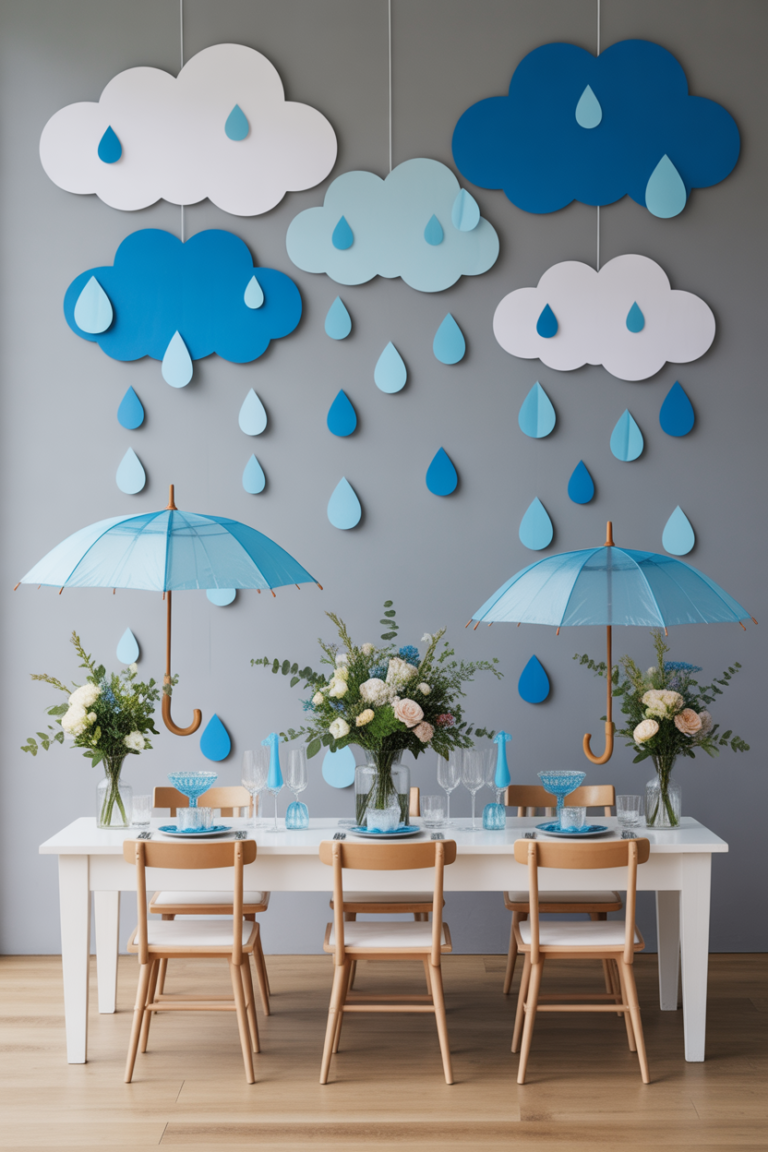
A theme gives your party a direction. It helps you choose colors, food, music, and activities without second-guessing every choice. It also makes the event feel cohesive instead of randomly assembled.
Some themes are literal: a 90s night, a garden party, a masquerade ball, a tropical luau. Others are just a mood: warm and intimate, colorful and loud, sleek and sophisticated.
When choosing, think about three things:
- Who are your guests? A rowdy college crowd has different expectations than a family birthday dinner.
- What is the occasion? A retirement party calls for a different energy than a bachelorette weekend.
- What is your venue? A theme needs to make sense in the space you have.
Choose a theme that aligns with your budget too. Some themes like a Great Gatsby party or a glamorous cocktail night come with high expectations for decor. Others like a backyard cookout or a casual brunch are naturally affordable.

Build Your Guest List and Send Invitations
Your guest list is not just names on a spreadsheet. It is the energy of your party.
Think about the mix of people. Will these guests know each other? Are there any awkward dynamics to consider? A party where everyone knows everyone runs differently than one where you need to create connection.
Once your list is set, get invitations out at the right time. For a big event, send them 6 to 8 weeks in advance. For something smaller and casual, 2 to 3 weeks is enough. The rule of thumb: the more formal or logistically complex the event, the earlier you invite.
Always ask for RSVPs with a firm deadline. Plan for about 10 to 20% of invited guests not to show. That cushion matters when you are calculating food quantities and seating.
What to include on your invitation:
- Date, start time, and end time
- Location (full address, not just venue name)
- Dress code if there is one
- RSVP deadline and contact method
- Any important details (parking, plus-ones policy, dietary options)
Digital invitations through tools like Evite, Paperless Post, or even a well-designed WhatsApp message work perfectly for casual events. Printed or mailed invitations still make a statement for more formal celebrations.
Video Credits: ItsTrixTV
Find the Right Venue
Your venue is more than a backdrop. It sets the entire tone.
For small to medium gatherings, hosting at home is the smartest budget move. You eliminate rental costs, which typically eat 25 to 30% of a party budget. You also have full control over timing, setup, and alcohol.
If home does not work, consider these options based on party type:
- Private dining rooms at restaurants: Great for birthday dinners, minimal planning required
- Community halls or clubhouses: Affordable and spacious, good for family gatherings
- Outdoor parks or gardens: Low cost, beautiful setting, but always plan for a weather backup
- Event venues: More expensive, but they handle logistics; best for large or formal events
When evaluating any venue, ask these questions before you commit:
- What is the maximum capacity?
- Is catering allowed from outside vendors?
- What is the parking situation for guests?
- What does the rental fee actually include (tables, chairs, AV setup)?
- Is there a noise curfew?
- What is the cancellation policy?
Always visit the venue in person if possible. Photos lie. The layout, the acoustics, the condition of the bathrooms: these matter more than the pictures on the website.
Plan Your Menu the Smart Way
Food is the part guests remember most. It is also the easiest area to overspend or underdeliver.
Your menu format depends on two things: your guest count and your party type.
Light fare works for afternoon parties, cocktail hours, and events where food is not the main focus. Think charcuterie boards, finger sandwiches, dips, and small bites. Guests will not be sitting down for a meal, so the goal is to keep hands occupied and energy up.
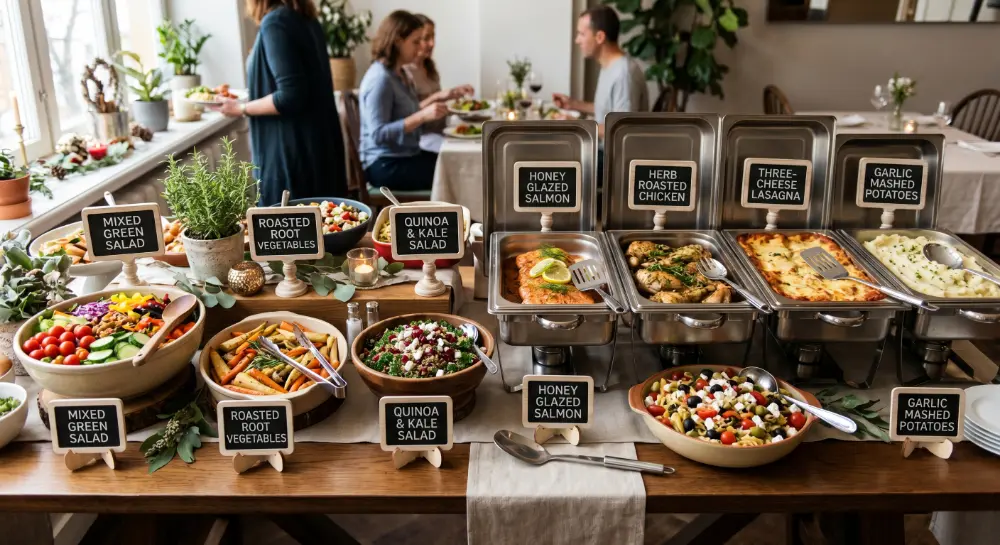
Buffet-style is ideal for larger gatherings where you want variety without the complexity of plated service. It is easier to manage quantities, easier to accommodate dietary restrictions, and guests serve themselves at their own pace.
Plated dinners are best for formal sit-down events with 20 people or fewer. They require more coordination but create a more intimate, elevated experience.
A few rules that experienced hosts swear by:
Prepare more than you think you need. The standard estimate is about half a pound of food per person for a full meal buffet. For appetizer-only parties, aim for 5 to 7 bites per person per hour.
Plan around dietary restrictions before the event, not during. When you send invitations, ask about allergies and dietary needs. Have at least one clearly labeled vegetarian or vegan option at any event. This avoids the awkward moment where someone cannot eat anything on the table.
Make as much as possible in advance. Anything you can cook, assemble, or prep the day before should be done the day before. On party day, you want to be greeting guests, not sweating in the kitchen.
Drinks: More Than Just an Afterthought
Drinks keep the party moving. Get this wrong and people notice immediately.
If you are serving alcohol, plan for one drink per person per hour. Stock a variety: beer, wine, a signature cocktail, and at least two non-alcoholic options. Non-alcoholic drinks matter more than most hosts think. Sober guests, pregnant guests, and designated drivers all appreciate being considered.
A signature cocktail is one of the best party tricks available. Pick one drink that matches your theme or season, batch it ahead of time, and serve it from a pitcher or dispenser. It removes the pressure of playing bartender all night and gives the party a memorable identity.
Quantities that take the guesswork out:
- Wine: one bottle covers roughly 5 glasses
- Beer: plan 2 to 3 bottles or cans per guest for a 3-hour party
- Non-alcoholic drinks: 2 to 3 servings per person minimum
- Ice: always more than you think, at least one pound per person
If you are not serving alcohol, sparkling water, flavored mocktails, and a DIY drink station (lemonade bar, iced tea varieties, infused waters) give guests something interesting to sip and interact with.
Decorations: Make an Impact Without Overspending
Decorations do not need to be expensive to be effective. They need to be intentional.
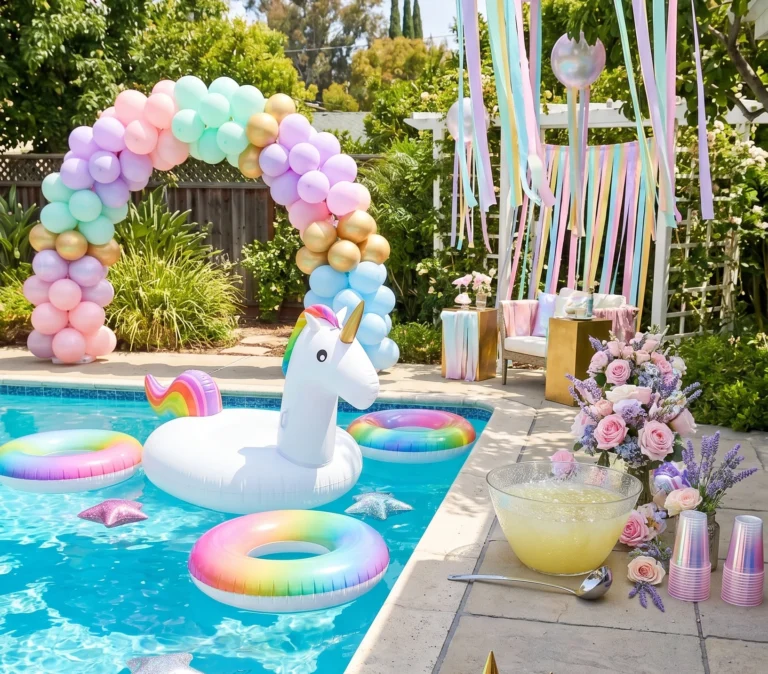
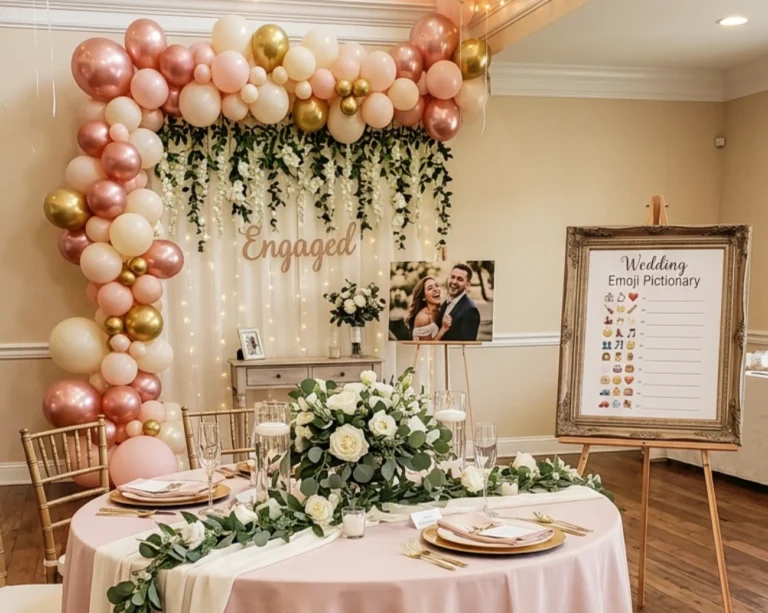
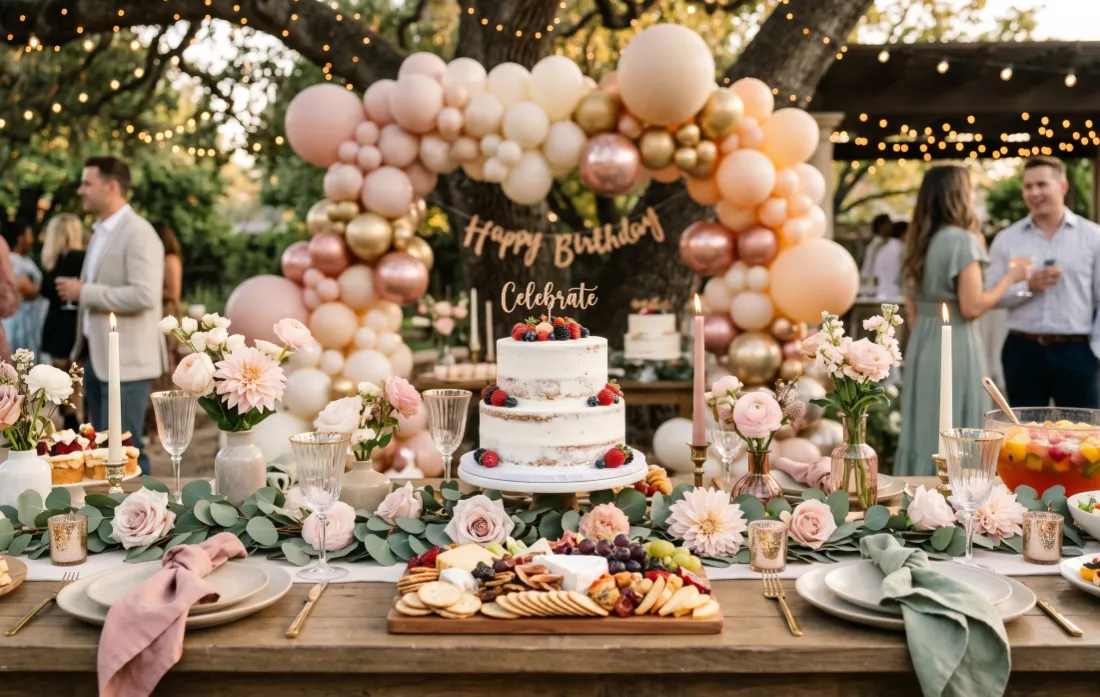
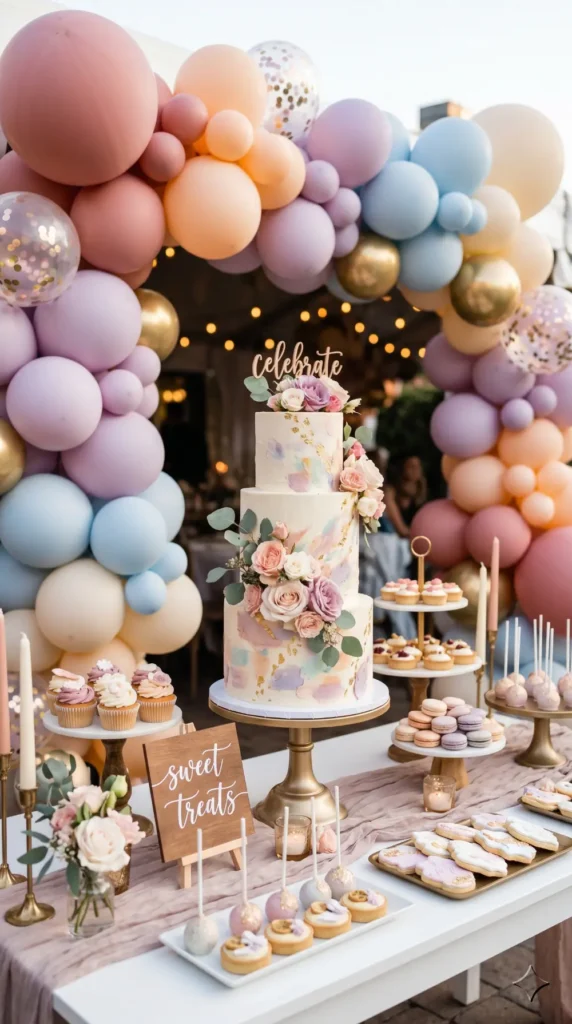
The secret most experienced hosts use: pick one focal point and make it count. A balloon arch behind the dessert table, a stunning centerpiece, a neon sign or a floral installation. One wow moment does more than ten mediocre touches scattered around the room.
Beyond that focal point, fill in with simple elements: candles, greenery, cohesive tableware in matching colors, fairy lights. These items are affordable, widely available, and they photograph beautifully.
Decor mistakes to avoid:
- Spreading budget too thin across too many small items that do not add up to anything
- Choosing decorations that clash with your venue (a rustic barn does not need chrome and acrylic)
- Forgetting the bathroom: guests will see it, a small vase of flowers or a candle goes a long way
- Ignoring lighting: warm Edison bulbs or string lights instantly elevate any space
Shop decor at least 3 weeks before the event if possible. Seasonal items sell out. Balloon garland kits, specialty rentals, and custom items need lead time.
Music and Entertainment
Silence is the enemy of a good party. Plan your music before the day arrives.
For most gatherings, a curated playlist is all you need. Build it ahead of time using Spotify or Apple Music. Aim for 2 to 3 hours of music even if the party is shorter. You do not want songs repeating before the event wraps up.
Tailor the playlist to the room energy you want at different stages:
- Pre-party (guests arriving): upbeat but not overwhelming, conversational-level volume
- Mid-party (peak energy): higher tempo, louder, crowd-pleasing hits
- Wind-down (late evening): lower energy, slower tempo
If your budget allows, consider live entertainment. A local musician, a DJ, a caricature artist, or a photo booth rental adds a memorable layer that guests actually talk about afterward.
For family parties or events with kids, plan at least one structured activity. Lawn games, a craft station, a game show-style trivia round: activities break the ice and keep guests engaged when conversation slows.
Build a Party Day Timeline
One of the biggest mistakes first-time hosts make is underestimating setup time. Everything takes longer on the day.
Build your timeline backward from the guest arrival time. Here is a practical example for a 4:00 PM party:
- 8:00 AM: final grocery run if needed
- 10:00 AM: deep clean the space, rearrange furniture
- 12:00 PM: start food prep and cooking
- 2:00 PM: set up decor, tables, and drink station
- 3:00 PM: get dressed, final walk-through
- 3:30 PM: have everything ready, last 30 minutes are your buffer
- 4:00 PM: doors open, music on, you are calm and ready
That 30-minute buffer matters. Something will always need a last-minute fix. Give yourself the time to handle it without panic.
Week-By-Week Party Planning Checklist
Here is a realistic timeline to keep you organized from start to finish:
6 to 8 weeks before:
- Set your date, budget, and guest count
- Choose your venue
- Decide on a theme or vibe
- Start your guest list
4 to 6 weeks before:
- Send invitations
- Book any vendors (caterer, DJ, photographer)
- Order or plan custom items (cake, printed invites, custom decor)
2 to 3 weeks before:
- Confirm RSVPs and finalize guest count
- Plan your full menu
- Shop for non-perishable supplies, decor, and drinks
- Build your music playlist
1 week before:
- Confirm all vendors and venue logistics
- Do a venue walkthrough if renting a space
- Prep any dishes that can be made and frozen
2 to 3 days before:
- Grocery shop for perishables
- Prep make-ahead food items
- Set up decor and arrange furniture
Day before:
- Finish all food prep possible
- Set the table and drink station
- Charge any cameras or speakers
Day of:
- Follow your timeline
- Eat something before guests arrive (seriously, hosts forget)
- Enjoy your own party
5 Common Party Planning Mistakes to Avoid
Even experienced hosts slip up. Here are the most common pitfalls and how to sidestep them:
1. Skipping the RSVP deadline. Without a firm deadline, you will be chasing responses until the day before. Always set one and plan from the numbers you have.
2. Overcomplicating the menu. Trying to make five ambitious dishes from scratch is a recipe for a stressed-out host. Three well-executed dishes beat five mediocre ones every time.
3. Underbudgeting for drinks. People drink more than hosts expect. Under-buying alcohol or soft drinks creates an awkward gap mid-party. Use the quantities above and round up.
4. No backup plan for outdoor events. Weather changes. Always have an indoor option or a tent on standby if you are hosting outside.
5. Forgetting to enjoy yourself. You planned this. The goal is for everyone, including you, to have a good time. Once guests arrive, let go of perfection and be present.
After the Party: The Final Touches That Build Your Reputation as a Host
The party does not end when the last guest leaves.
Send thank-you messages within 48 hours. A quick text or voice note is enough for casual events. A handwritten card for more formal occasions. Guests remember being acknowledged.
Return any borrowed items or venue equipment promptly. Settle vendor balances and submit any deposit refund requests right away.
Finally, take 10 minutes to note what worked and what you would do differently. Every party teaches you something. The hosts who get better over time are the ones who actually pay attention.
Final Thoughts
The best parties are not the most expensive ones. They are the most thoughtful ones.
When a guest feels welcome, well-fed, entertained, and like someone genuinely cared about their experience: that is what they remember. That feeling comes from planning, not luck.
Use this guide as your foundation. Adapt it to your style, your crowd, and your budget. And the next time someone asks who planned the party, you will have a very good answer.
Did this help you plan your event? Share it with a fellow host who could use it.