29 Small Space Home Decor Ideas That Actually Work
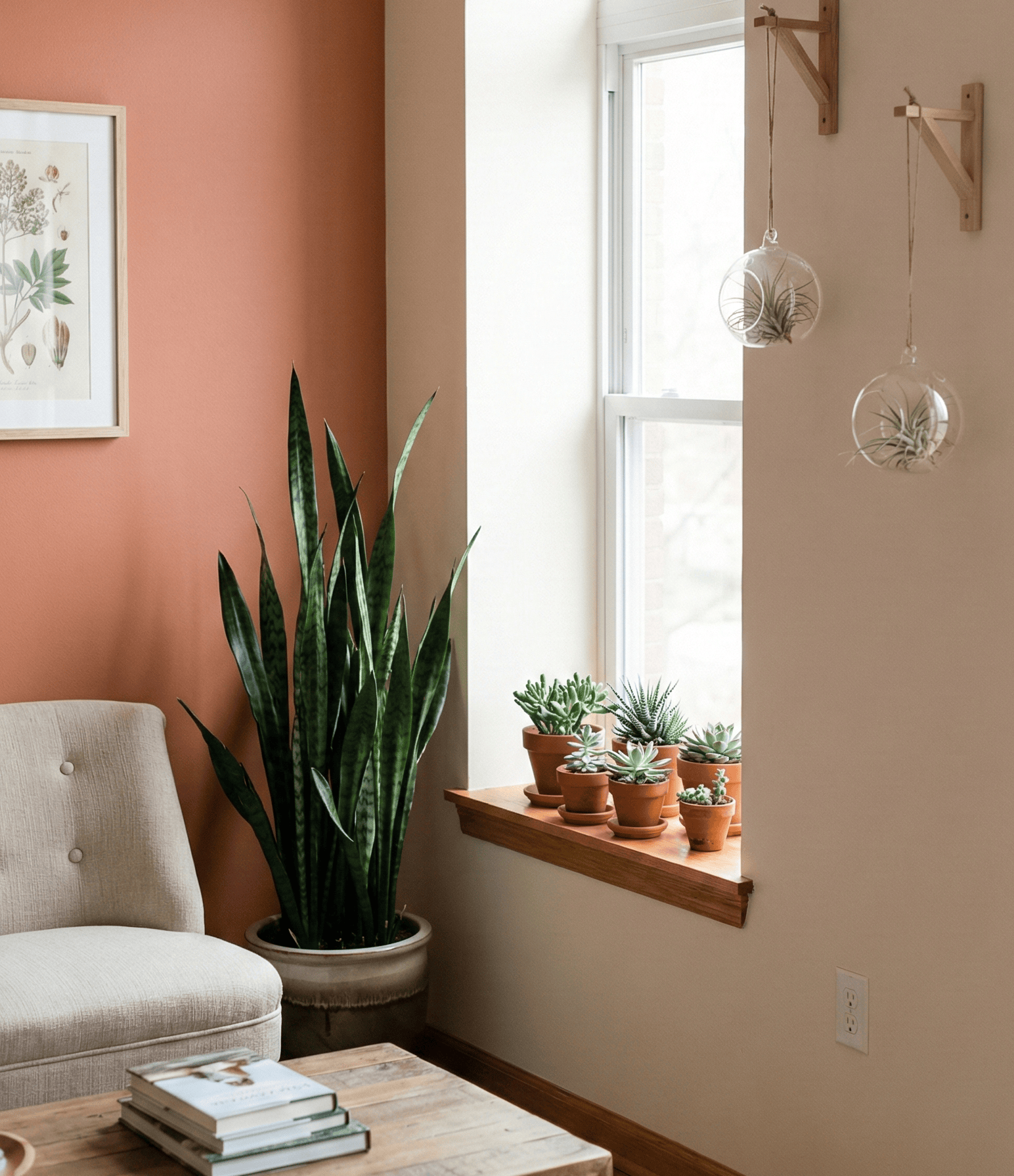
Living in a small space doesn’t mean sacrificing style or comfort. With the right strategies, even the tiniest apartment or compact home can feel open, functional, and completely you.
The secret isn’t about cramming less into your space or living with bare minimum. It’s about being intentional with every choice, from furniture scale to color palette to how you use vertical space.
These 29 ideas are tried-and-true solutions that actually work in real small spaces. They’ll help you maximize every square foot while creating a home that feels spacious, organized, and beautifully designed. Let’s make your small space work harder and look better.
1. Multi-functional Furniture Pieces

Every piece of furniture in a small space should earn its place by doing double or triple duty. A storage ottoman serves as seating, a footrest, and hidden storage. A console table behind your sofa can function as a desk or dining table.
Look for pieces designed with versatility in mind. The more functions one item can serve, the less furniture you need overall, which means more open floor space and better flow.
Multi-functional pieces to consider:
- Ottoman with storage that doubles as a coffee table
- Sofa beds for guest sleeping without a dedicated guest room
- Nesting tables that expand when needed
- Benches with lift-up seats for entryway or dining
2. Foldable and Expandable Furniture

Foldable and expandable furniture gives you flexibility to adapt your space based on what you’re doing. A drop-leaf dining table expands for dinner parties then folds down for daily life. Folding chairs store flat when you don’t need them.
This approach lets you have the space you need when you need it, without permanently sacrificing precious square footage. It’s like having two different floor plans in one home.
3. Slim Profile Sofas and Chairs

Scale matters enormously in small spaces. A slim-profile sofa with narrow arms and a streamlined silhouette provides comfortable seating without overwhelming your room.
Choose pieces with clean lines and legs you can see underneath. This visual lightness makes furniture feel less bulky even when it’s still comfortable and functional.
| Furniture Type | Standard Depth | Apartment-Scale Depth | Space Saved |
| Sofa | 36-40 inches | 30-34 inches | 6+ inches |
| Armchair | 32-36 inches | 28-30 inches | 4-6 inches |
| Dining Chair | 18-20 inches | 16-18 inches | 2-4 inches |
4. Built-in Storage and Cabinets

Built-in storage uses space that would otherwise go to waste, like alcoves, corners, or the area under stairs. Custom or semi-custom built-ins maximize every inch while looking intentional and polished.
Floor-to-ceiling built-ins draw the eye up and provide massive storage without taking up valuable floor space. They can house everything from books to entertainment systems to clothing.
5. Under-bed and Hidden Storage

The space under your bed is prime real estate for storage. Use it for out-of-season clothing, extra linens, or anything you don’t need daily access to.
Storage beds with built-in drawers or lift-up platforms are worth the investment. If you have a standard bed frame, rolling storage boxes or flat containers work beautifully and keep everything organized and dust-free.
6. Vertical Storage to Maximize Wall Space

When you can’t build out, build up. Vertical storage uses wall space instead of floor space, which is exactly what small homes need.
Tall bookcases, wall-mounted shelving systems, and hooks all take advantage of height. The key is anchoring everything properly and not making upper shelves so high they’re impractical to reach.
Vertical storage ideas:
- Floor-to-ceiling shelving in living areas
- Wall-mounted pot racks in kitchens
- Over-the-door organizers in bathrooms and closets
- Pegboards for tools, crafts, or kitchen items
7. Light Color Palettes to Open Up Rooms

Light colors reflect more light and make walls appear to recede, which creates the illusion of more space. Whites, soft grays, pale blues, and warm beiges all work beautifully in small rooms.
You don’t have to go stark white everywhere. Choose a light base then add depth through textures and slightly deeper tones in the same color family.
8. Mirrors to Reflect Light and Create Depth

Mirrors are magic in small spaces. They bounce light around the room, reflect views, and create the optical illusion of double the space.
Place a large mirror opposite a window to maximize natural light, or use mirrored closet doors to make a bedroom feel twice as large. Even a collection of smaller mirrors creates visual interest while expanding your space.
9. Consistent Colors for Visual Flow
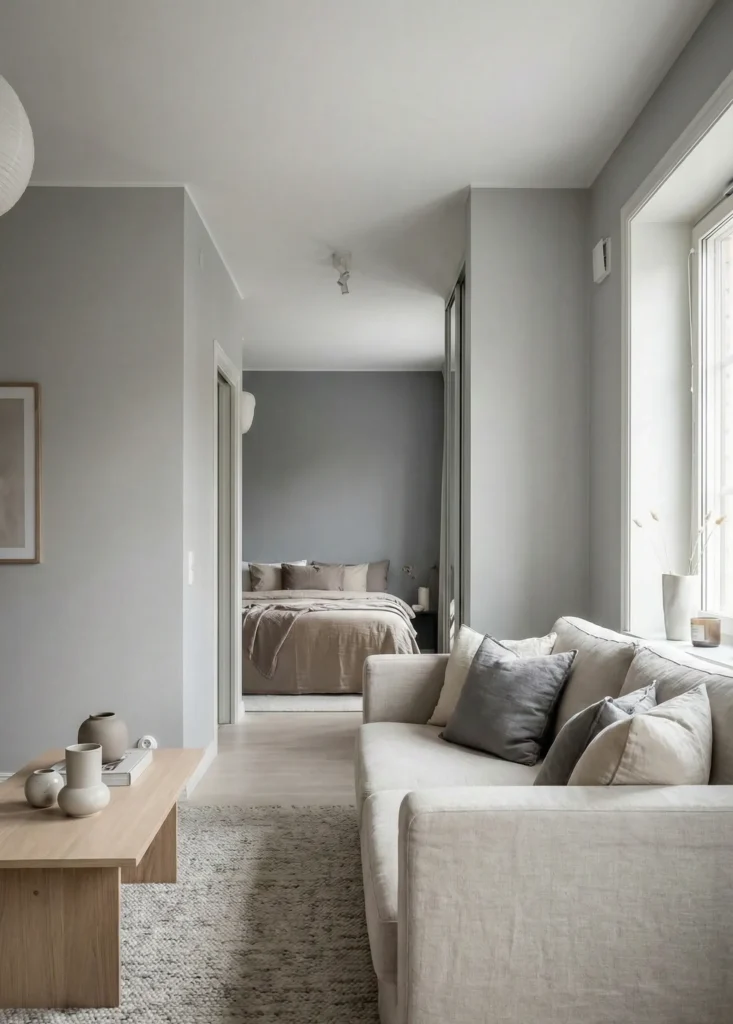
Using a consistent color palette throughout your home creates visual continuity that makes the entire space feel larger and more cohesive. When your eye travels smoothly from room to room without jarring color changes, everything feels more open.
This doesn’t mean everything has to be the same color, just that colors should relate to each other and transition naturally. Think of it as creating a whole-home color story.
10. Open Layouts for Better Movement

If your space allows it, remove non-structural walls or barriers to create better flow and sightlines. Even if major renovations aren’t possible, arranging furniture to create clear pathways makes a huge difference.
Open layouts let light travel through your space and prevent that chopped-up, cramped feeling. You can still define different zones without physical walls separating them.
11. Zoning Small Spaces With Rugs or Lighting

Create distinct areas within an open space using rugs to define zones. A rug under your dining table separates it from the living area even when they’re in the same room.
Lighting also zones spaces effectively. A pendant over your dining table and a floor lamp by your sofa visually separate the two areas while keeping everything open and flowing.
| Zoning Method | Best For | Visual Impact | Flexibility |
| Area Rugs | Living and dining zones | Defines space clearly | Easy to change |
| Lighting | Any functional area | Subtle separation | Very flexible |
| Shelving Units | Open-plan studios | Creates privacy | Adds storage too |
12. Floating Furniture Away From Walls

It seems counterintuitive, but floating furniture a few inches from the walls actually makes a room feel larger. It creates breathing room and visual flow around pieces.
Even in a small space, pull your sofa out from the wall slightly. The extra space behind it prevents that pushed-up-against-the-wall feeling that makes rooms seem cramped.
13. Tall Shelves and Bookcases

Tall, narrow shelving units provide tons of storage without eating up floor space. They draw the eye upward and make ceilings feel higher, which contributes to an overall sense of spaciousness.
Style the lower shelves with items you use frequently and the upper shelves with decorative pieces or things you rarely need. This keeps everything accessible while maximizing storage.
14. Wall-Mounted Lighting

Wall-mounted sconces and swing-arm lamps free up surface space on nightstands and side tables. They provide necessary task lighting without taking up real estate you need for other things.
This is especially valuable in bedrooms where nightstand space is limited. You can skip table lamps entirely and gain room for books, water, or whatever else you need within reach.
15. Hanging Plants and Decor

Hanging plants from the ceiling or mounting them on walls adds greenery without using any floor or shelf space. It brings life and color to your home while keeping surfaces clear.
Macramé plant hangers, wall-mounted planters, or simple hooks all work beautifully. Place them near windows for proper light, and suddenly you have a lush, plant-filled space without sacrificing precious square footage.
Best hanging plants for small spaces:
- Pothos for low-light areas
- String of pearls for visual interest
- Spider plants for easy care
- Philodendron for trailing beauty
16. Decluttering for a Clean Look

The fastest way to make any small space feel bigger is removing things you don’t use or love. Clutter visually shrinks a room and makes it feel chaotic and cramped.
Edit ruthlessly and regularly. If you haven’t used something in a year and it doesn’t bring you joy, it’s time to let it go. Clear surfaces and organized storage make even tiny spaces feel calm and spacious.
17. Fewer, Larger Decor Pieces

Multiple small decor items create visual clutter that makes a space feel busy and small. Instead, choose fewer statement pieces that have real impact.
One large piece of art makes a stronger impression than a collection of small prints. One substantial vase looks more intentional than three tiny ones. Editing your decor creates breathing room and lets your space shine.
18. Hidden Cords and Cables
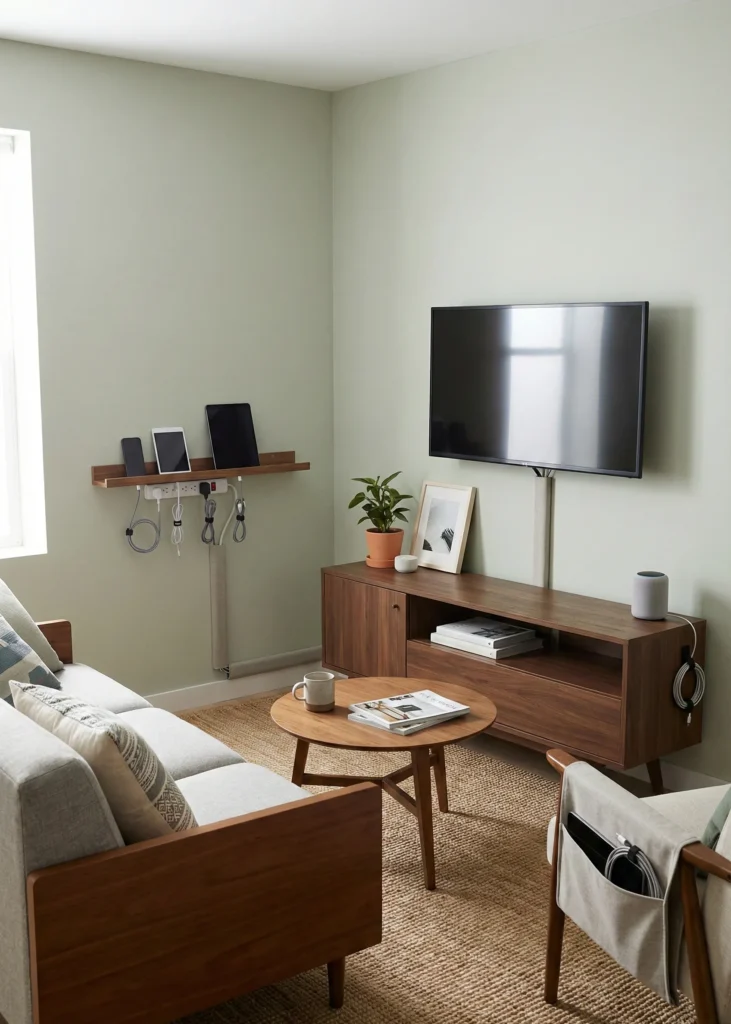
Visible cords and cables create visual noise that makes any space feel messy and smaller. Use cord management solutions, cable boxes, or furniture with built-in cord channels to hide wiring.
Mount power strips behind furniture, use velcro ties to bundle cords, and route everything out of sight. The cleaner your space looks, the larger and more peaceful it feels.
19. Small Space Living Room Ideas

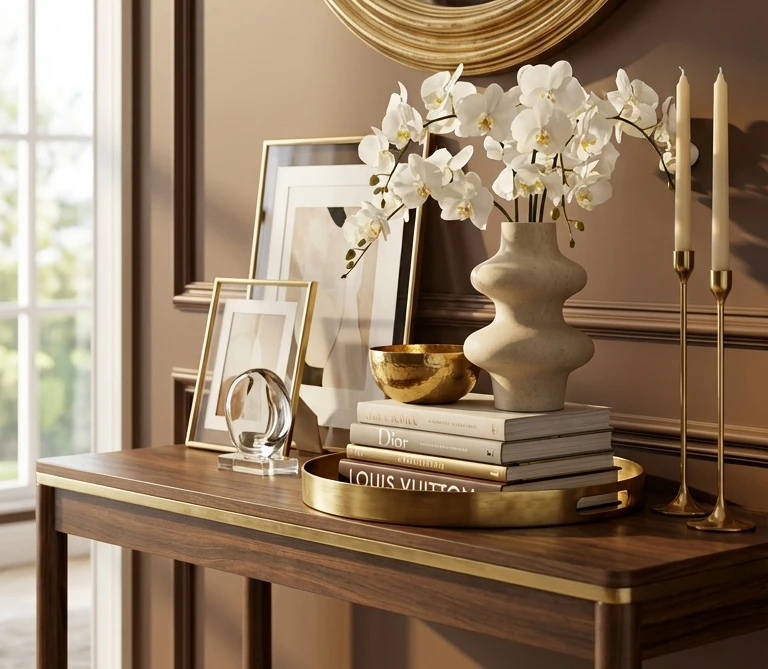
In a small living room, every decision counts. Choose a loveseat or apartment-scale sofa instead of a full sectional. Add a slim console table behind the sofa for surface area without bulk.
Skip the coffee table or choose a transparent option that doesn’t block sightlines. Use a pouf or ottoman that can move around as needed and tuck away when you want open floor space.
20. Compact Bedroom Decor Solutions
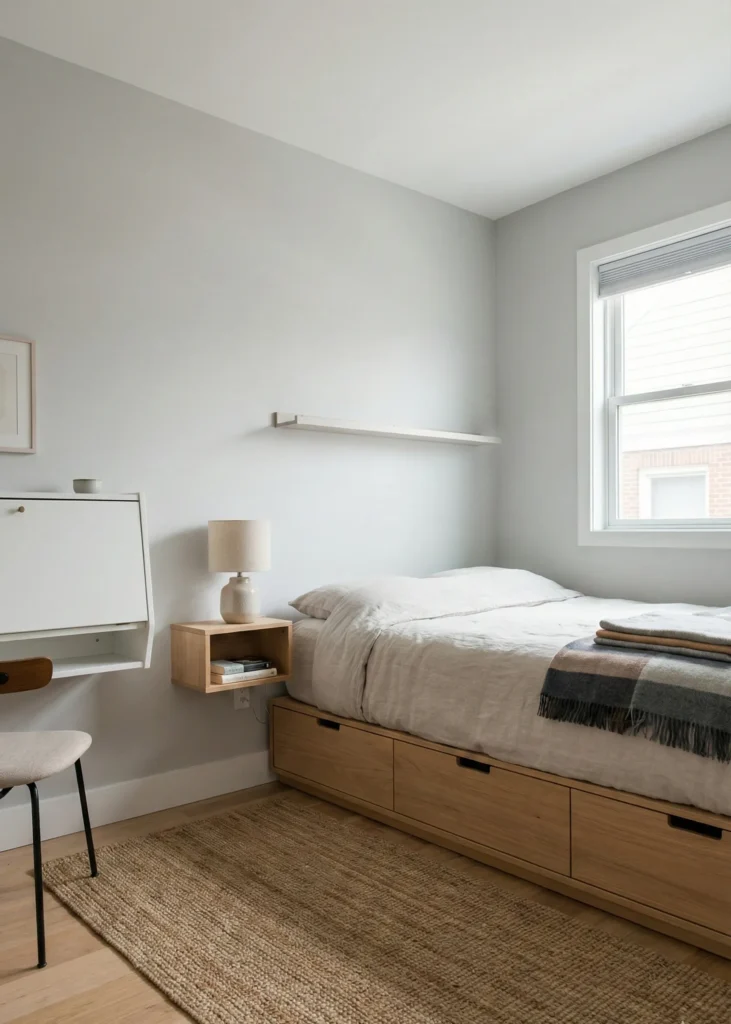
Your bedroom needs to function for sleep, getting dressed, and possibly working or relaxing. A platform bed with storage underneath handles sleeping and storage in one piece.
Wall-mounted nightstands or floating shelves eliminate bulky bedside tables. If you need a desk, consider a wall-mounted drop-down option that folds away when not in use.
21. Smart Kitchen and Dining Setups

Small kitchens benefit from magnetic knife strips, wall-mounted pot racks, and over-the-sink cutting boards that create workspace when needed. Use the inside of cabinet doors for extra storage.
For dining, a small round table takes up less visual space than rectangular. Consider a wall-mounted drop-leaf table that folds down when not in use, or bar stools at your kitchen counter instead of a separate dining area.
| Space Challenge | Smart Solution | Benefit |
| No dining room | Bar stools at counter | Eliminates separate dining area |
| Limited counter space | Wall-mounted drop-down table | Adds prep space when needed |
| Cluttered counters | Wall-mounted storage | Frees up work surface |
22. Glass and Acrylic Furniture

Transparent furniture like glass coffee tables or acrylic chairs provide function without visual weight. You can see right through them, which keeps sightlines open and makes rooms feel less crowded.
These pieces work especially well in living rooms and dining areas where you need the furniture but don’t want it to dominate the space visually.
23. Low-Profile Furniture for Higher Ceilings

Low-slung sofas, platform beds, and shorter furniture create more visual space between the furniture and ceiling. This makes ceilings appear higher and rooms feel more open.
The style also lends itself to a modern, streamlined aesthetic that works beautifully in compact spaces. Just make sure seating is still comfortable and not so low it’s difficult to get up from.
24. Curtains Hung High to Elongate Walls

Hang curtain rods as close to the ceiling as possible and let curtains just touch or puddle on the floor. This vertical line draws the eye up and makes walls appear taller.
Use light, flowing fabrics that don’t block natural light when open. The effect is dramatic and makes any room feel more spacious and elegant.
25. Compact Plants and Greenery

Choose plants that stay relatively small or have an upward growth pattern rather than spreading out. Small succulents, snake plants, and air plants bring greenery without overwhelming surfaces.
Group small plants together for impact rather than scattering them around. A collection in one spot looks intentional and still gives you that fresh, natural vibe without taking over your home.
26. Small Scale Artwork and Prints

Scale your artwork to your space. Oversized pieces can overwhelm small walls, while appropriately sized art looks intentional and polished.
A gallery wall of smaller frames works well, but keep spacing consistent and frames similar for a cohesive look. Or choose one medium-sized piece per wall as a focal point.
27. Consistent Decor Style Throughout the Home

Jumping between different styles in a small space feels disjointed and makes everything seem smaller. Maintaining a consistent aesthetic throughout creates harmony and visual flow.
This doesn’t mean boring or matchy. It means your mid-century modern living room should flow into your mid-century modern bedroom, not suddenly shift to farmhouse or maximalist.
28. Furniture With Exposed Legs for an Airy Feel

Furniture on visible legs creates physical and visual space underneath. You can see the floor continuing beneath, which makes rooms feel more open than furniture sitting flat on the ground.
This applies to sofas, chairs, beds, and even storage cabinets. Those few inches of visible space make a surprising difference in how airy your home feels.
29. Use of Sliding Doors Instead of Swing Doors
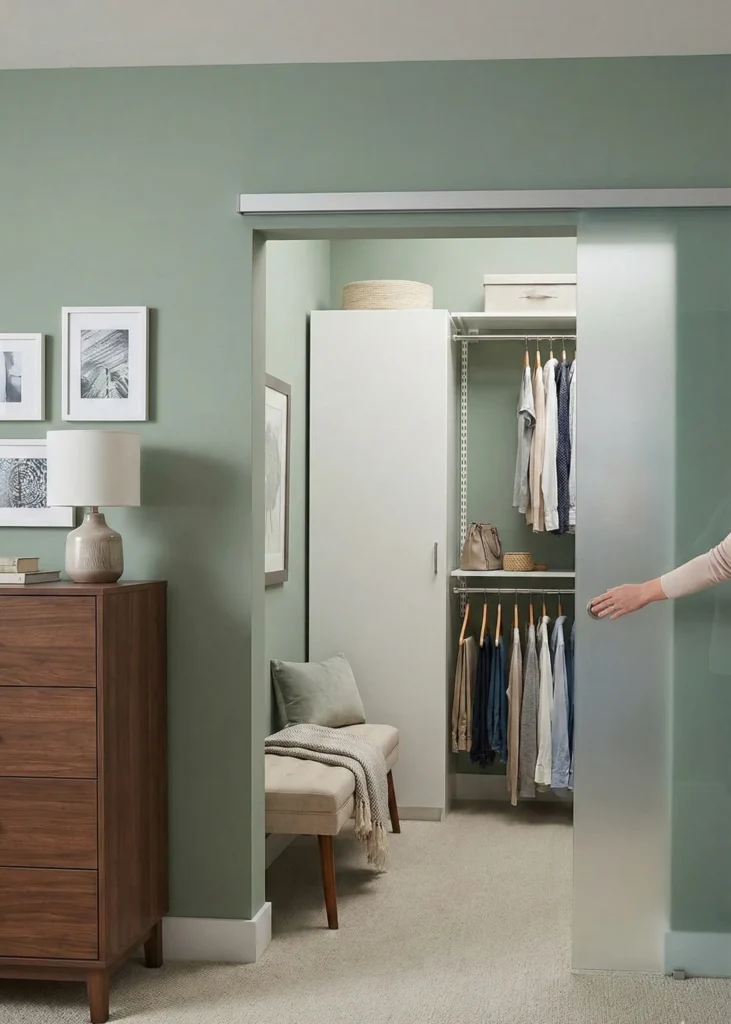
Swing doors require clearance space to open, space you could use for furniture or movement. Sliding doors, pocket doors, or barn doors function without needing that arc of space.
Consider replacing closet doors, bathroom doors, or room dividers with sliding options. In tight spaces, the square footage you save is significant and usable.
Ready to Pick One?
You don’t need to implement all 29 ideas at once. Start with the ones that address your biggest frustrations or that you can tackle quickly.
Maybe it’s finally adding that mirror opposite your window, or switching out your bulky coffee table for something transparent. Small changes create momentum and help you see what’s possible.
Remember that living in a small space is about creativity, not limitation. With smart choices and strategic design, your compact home can feel just as spacious and stylish as any larger house.
Which of these ideas would make the biggest difference in your space, and what’s stopping you from trying it this week?