12 Modern Japanese Coffee Table Ideas to Upgrade Interiors
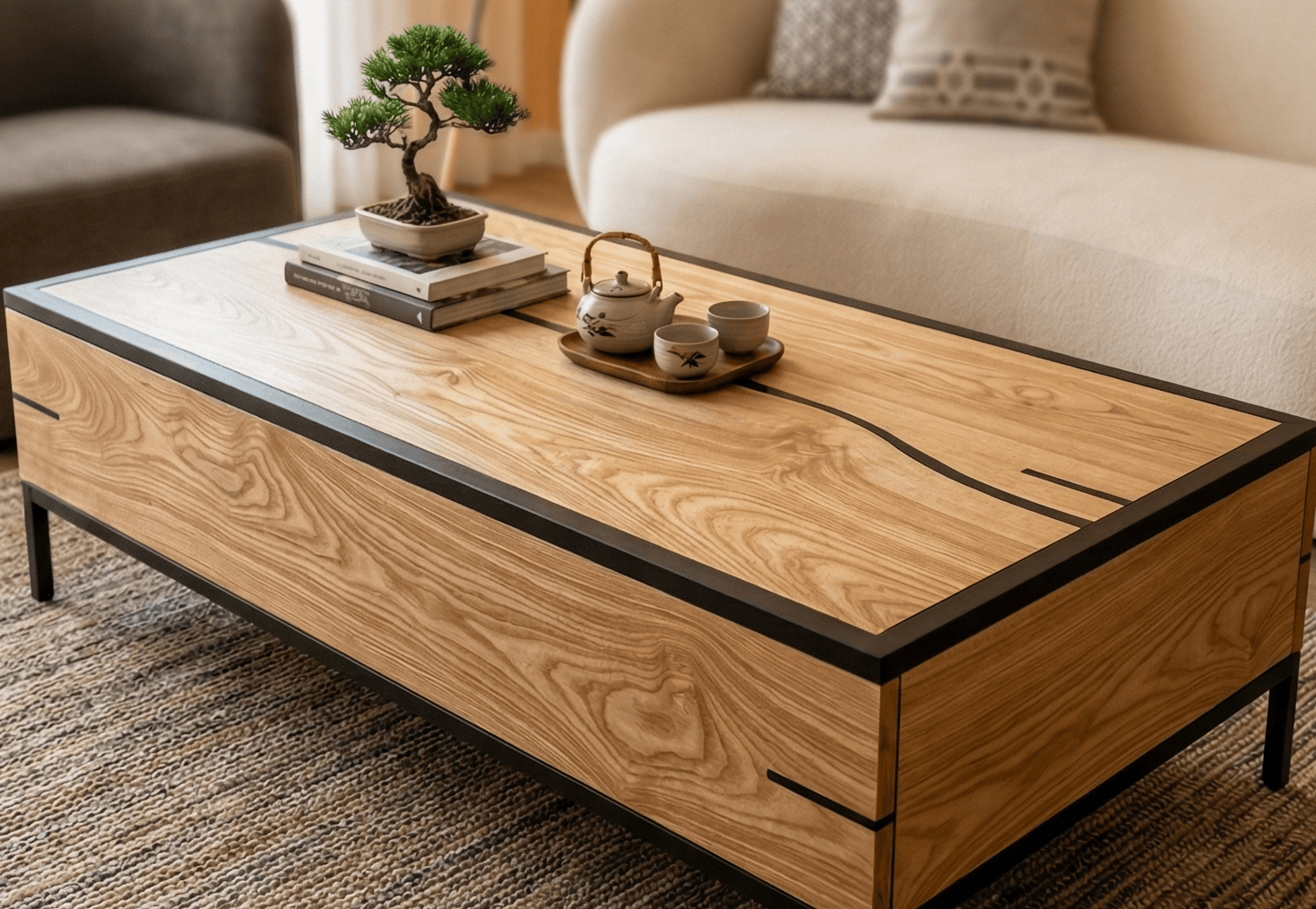
Japanese design understands something profound: less space, more meaning. Every object earns its place, and nothing is without purpose.
A Japanese-inspired coffee table brings this philosophy into your living room.
It’s about clean lines, natural materials, and the kind of calm that comes from intentional simplicity.
These aren’t just tables. They’re meditations on form, function, and the beauty of restraint.
Whether you’re fully embracing Japanese minimalism or just want to bring more zen into your space, these ideas will transform how you think about your coffee table.
1. Chabudai-Style Low Wood Coffee Table
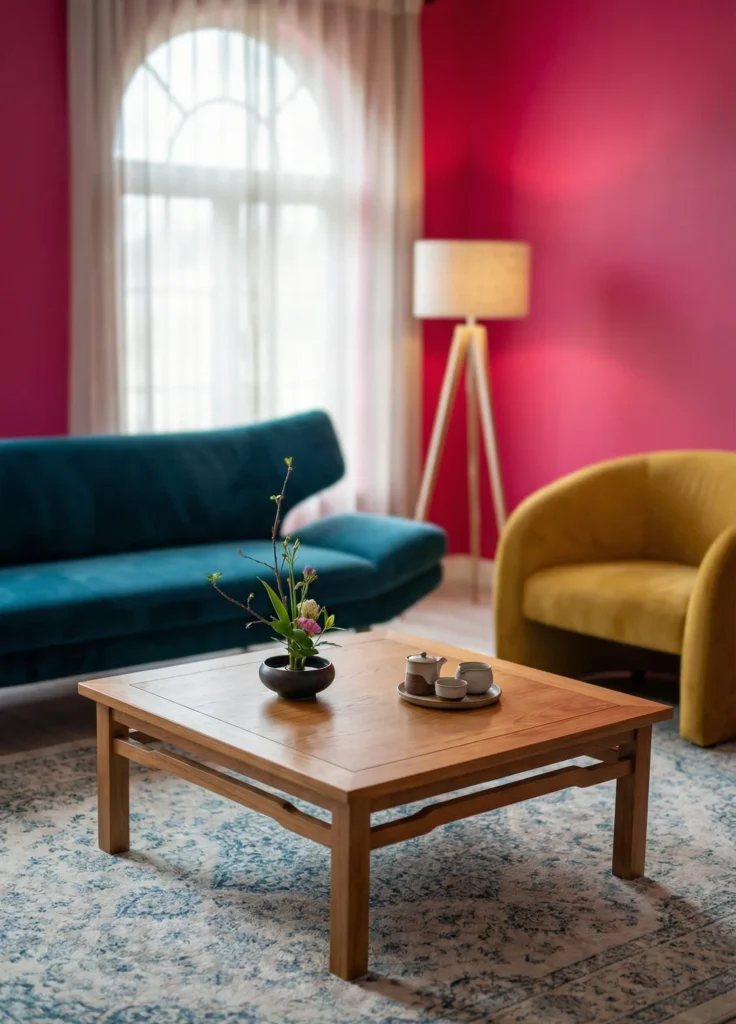
The traditional chabudai sits close to the ground, inviting floor seating and a different way of gathering. Modern versions bring this low-profile elegance to contemporary spaces.
These tables work beautifully with low-slung sofas or floor cushions. The height changes your entire perspective and makes rooms feel more open and grounded.
Choose natural wood in warm tones. The simplicity of the form means the wood quality and grain become the design features.
Styling the Chabudai:
- Keep the surface mostly clear for tea ceremonies or casual dining
- One small ikebana arrangement or ceramic piece is enough
- Honor the negative space as much as the objects
- Let the low height create visual calm
2. Maru Round Table in Natural Wood Finish

Maru means circle, and this round table brings soft geometry to spaces dominated by straight lines. The circular form encourages gathering and conversation.
Natural wood finish shows respect for the material’s inherent beauty. No heavy stains or overly polished surfaces, just wood being wood.
The round shape also eliminates sharp corners, creating better flow in smaller spaces and a gentler, more organic feel overall.
3. Shizen Rectangular Table With Clean Lines
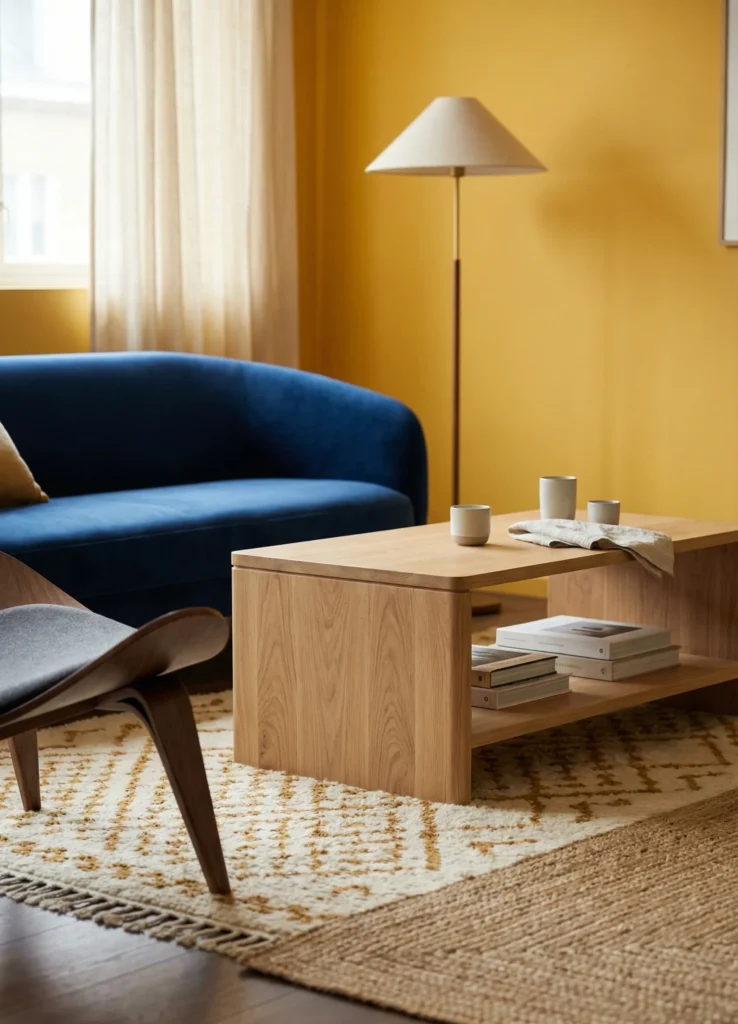
Shizen translates to nature, and this rectangular table celebrates natural wood with the cleanest possible lines. No ornament, no excess, just pure form.
The beauty lives in the proportions and the grain pattern. Edge details might be softly rounded or kept crisp, but everything serves the overall simplicity.
This is the foundation of Japanese modern design. Function and beauty are the same thing, not competing priorities.
| Japanese Design Principle | How It Appears in Coffee Tables |
| Kanso (Simplicity) | Clean lines, minimal ornamentation |
| Shizen (Naturalness) | Visible wood grain, organic materials |
| Shibui (Subtle Beauty) | Understated elegance, refined details |
| Ma (Negative Space) | Open surfaces, breathing room |
4. Kanso Oval Coffee Table Highlighting Wood Grain

Kanso means simplicity, and an oval table delivers this through soft curves and focus on material. The grain pattern becomes the main visual interest.
Look for tables where the wood selection was clearly intentional. Dramatic figuring, beautiful color variation, or interesting knots all tell the wood’s story.
Style it sparingly. When the table itself is this beautiful, anything you add should be carefully considered and minimal.
5. Futatsu Two-Tier Table With Open Space
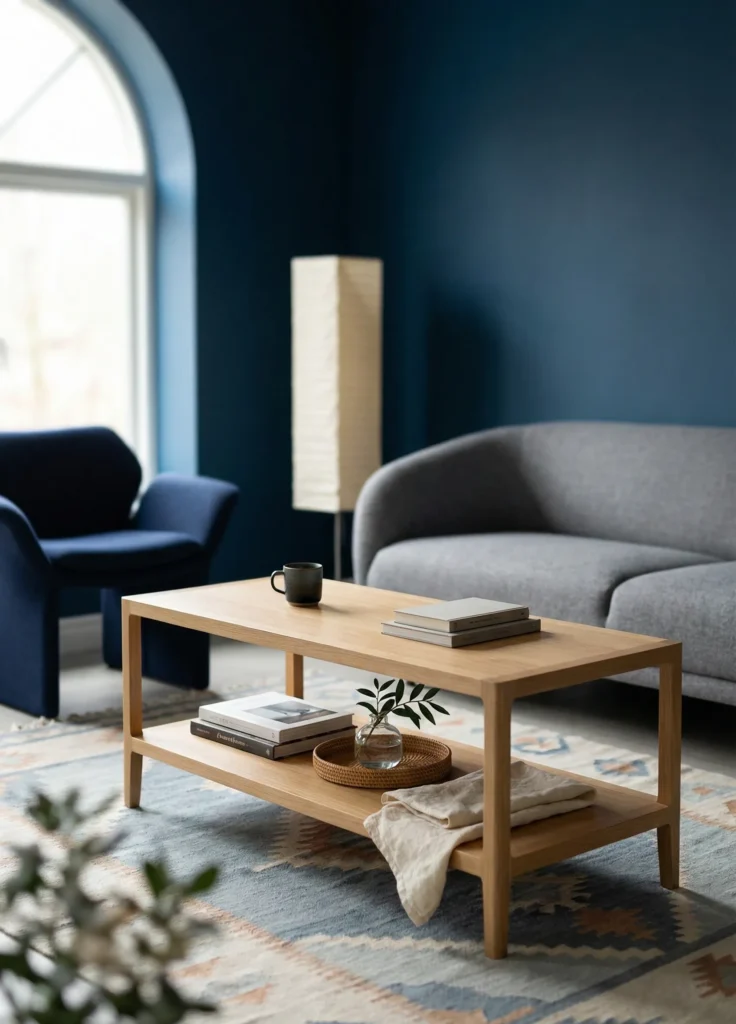
Futatsu means two, and this two-tier design adds function while maintaining visual lightness. The lower shelf provides storage or display without feeling heavy.
The open space between tiers is crucial. It prevents the table from looking bulky and maintains that essential Japanese airiness.
Use the lower tier for a few beautiful books, a small plant, or folded textiles. Keep it curated and intentional, never cluttered.
Two-Tier Styling Guide:
- Upper tier: one or two objects maximum
- Lower tier: books, small tray, or single decorative piece
- Maintain visual balance between both levels
- Leave some surfaces completely empty
6. Ukabu Floating-Style Low Coffee Table

Ukabu means to float, and these tables create that illusion through recessed legs or minimal support structure. The tabletop appears to hover just above the floor.
This design is particularly effective in small spaces. The visible floor underneath makes rooms feel larger and less crowded.
The floating effect also emphasizes the horizontal plane and creates a sense of calm. Everything feels lighter and more intentional.
7. Organic Katachi Table With Single Ceramic Vase

Katachi means form or shape, and these tables celebrate organic, slightly irregular forms. Think live edge wood or subtly asymmetrical shapes.
Pair with one perfect ceramic vase, perhaps holding a single branch or minimal ikebana arrangement. The simplicity lets both table and vessel shine.
This combination honors wabi-sabi, the beauty of imperfection. The organic table form and handmade ceramic both embrace natural irregularity.
8. Ishi-to-Ki Wood and Stone Coffee Table
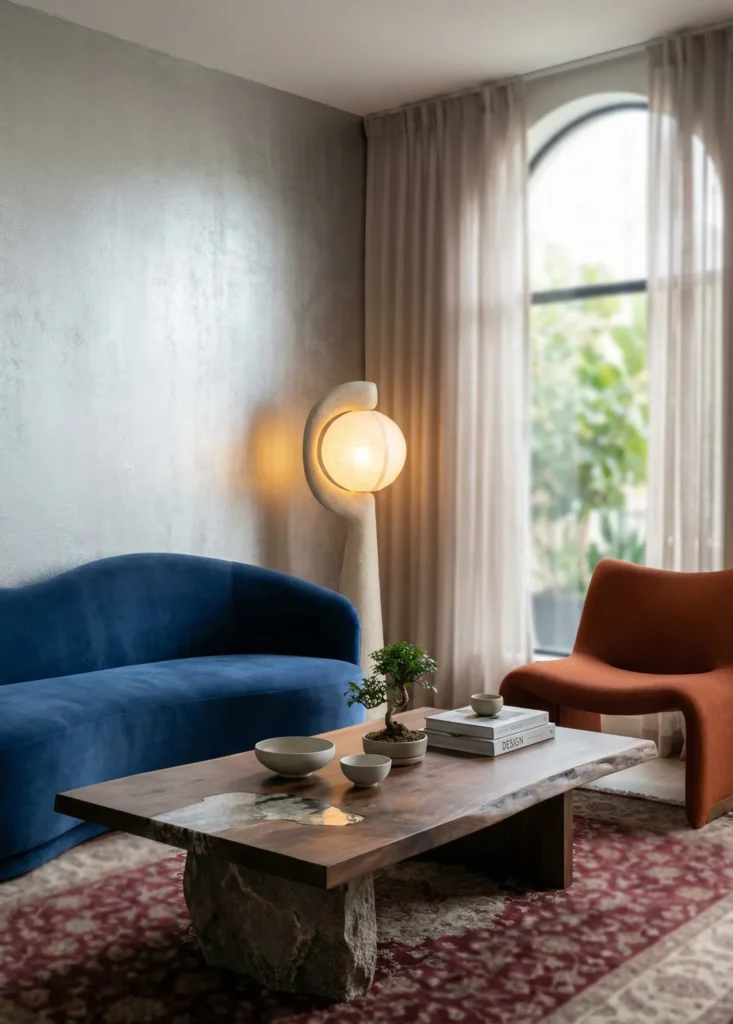
Ishi means stone, ki means wood, and combining both creates elemental beauty. These tables might have stone inlay, a stone base with wood top, or integrated stone elements.
The contrast between materials highlights each one’s unique qualities. Wood brings warmth, stone brings coolness and permanence.
This pairing feels ancient and modern simultaneously. It’s grounded in natural materials while feeling completely contemporary in execution.
9. Kasane Nesting Tables in Soft Neutral Tones

Kasane means to stack or layer, and nesting tables embody Japanese flexibility and space efficiency. They adapt to your needs while taking minimal space.
Choose soft neutral woods: pale ash, light oak, or blonde bamboo. The subtle tones create calm and work with any palette.
Separate them when you need more surface area, nest them to open up floor space. This is furniture that respects how you actually live.
| Nesting Table Configuration | Best For | Styling Approach |
| Two tables, similar size | Small apartments | Style largest, leave smallest minimal |
| Three tables, graduated | Flexible entertaining | Create levels with objects of varying heights |
| Asymmetric nesting | Contemporary spaces | Play with negative space and imbalance |
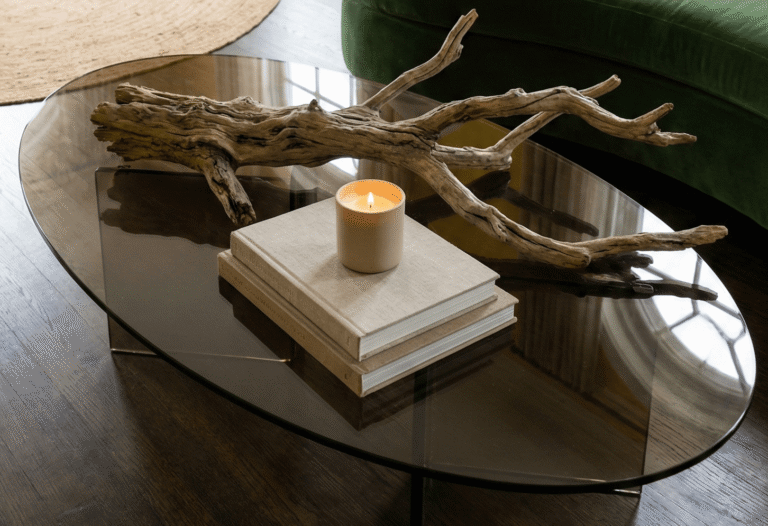
10. Sabi Sculptural Wood Table With Natural Texture

Sabi refers to the beauty that comes with age and wear. These tables celebrate natural texture, visible grain, and the character of weathered or textured wood.
The sculptural quality might come from the wood’s natural form, interesting joinery, or artistic shaping. Either way, the table feels like a crafted object.
Leave the surface mostly bare. The table’s texture and form are the decoration. Perhaps one stone object or simple ceramic piece, nothing more.
11. Mokume Table With Subtle Black Accent
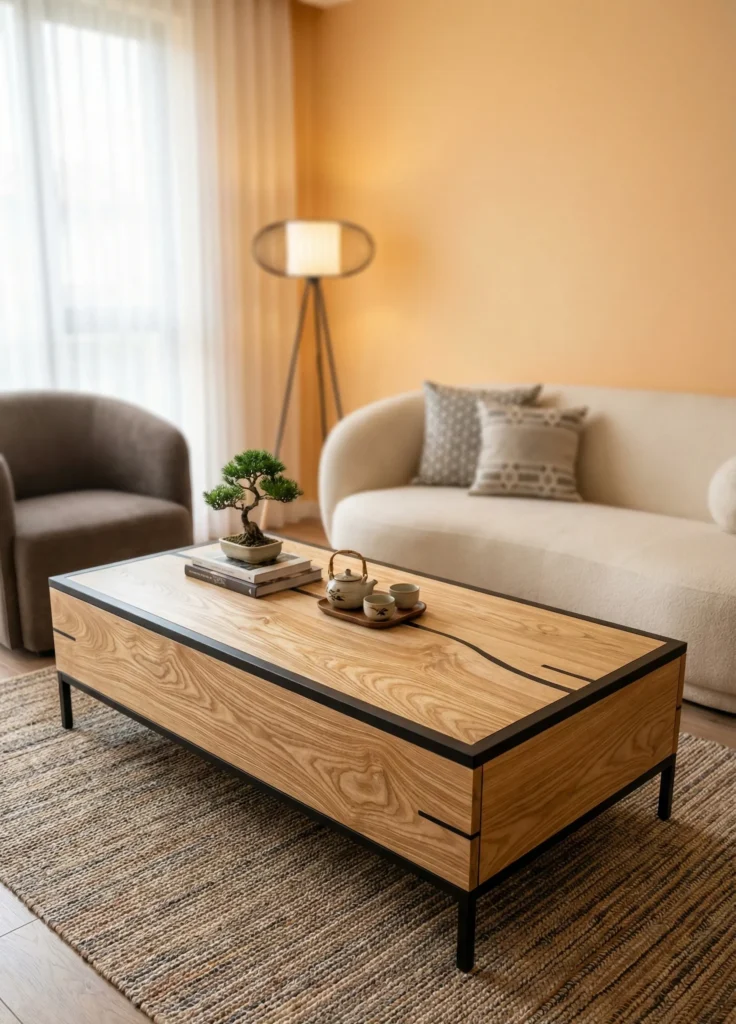
Mokume refers to wood grain patterns, and these tables make grain the star while incorporating subtle black details. Maybe black legs, a black edge, or minimal black inlay.
The black provides contrast without competing. It defines and highlights the wood rather than overshadowing it.
This works especially well with lighter woods where the black creates graphic impact while maintaining overall serenity.
Black Accent Placement:
- Thin black edge or border for definition
- Black base or legs for grounding
- Black joinery details for architectural interest
- Minimal black inlay following grain patterns
12. Ma Minimal Coffee Table With Functional Display

Ma is the concept of negative space, the emptiness that gives meaning to objects. This table embraces space as much as solid form.
Design might include open compartments, recessed areas, or thoughtful display spaces built into the table itself. Everything serves a purpose.
Style with extreme restraint. Use the built-in features to display one perfect object, a small plant, or beautiful everyday items. The empty space around each item is just as important as the item itself.
Which Japanese design principle resonates most with how you want your living space to feel, and what’s one element you could remove from your current coffee table to create more ma?